In Papua New Guinea (PNG), reliable electricity signals economic progress, powering businesses, schools, and homes. Yet, PNG Power Limited (PPL), the nation’s state-owned utility, has faced financial losses and frequent outages for over a decade.
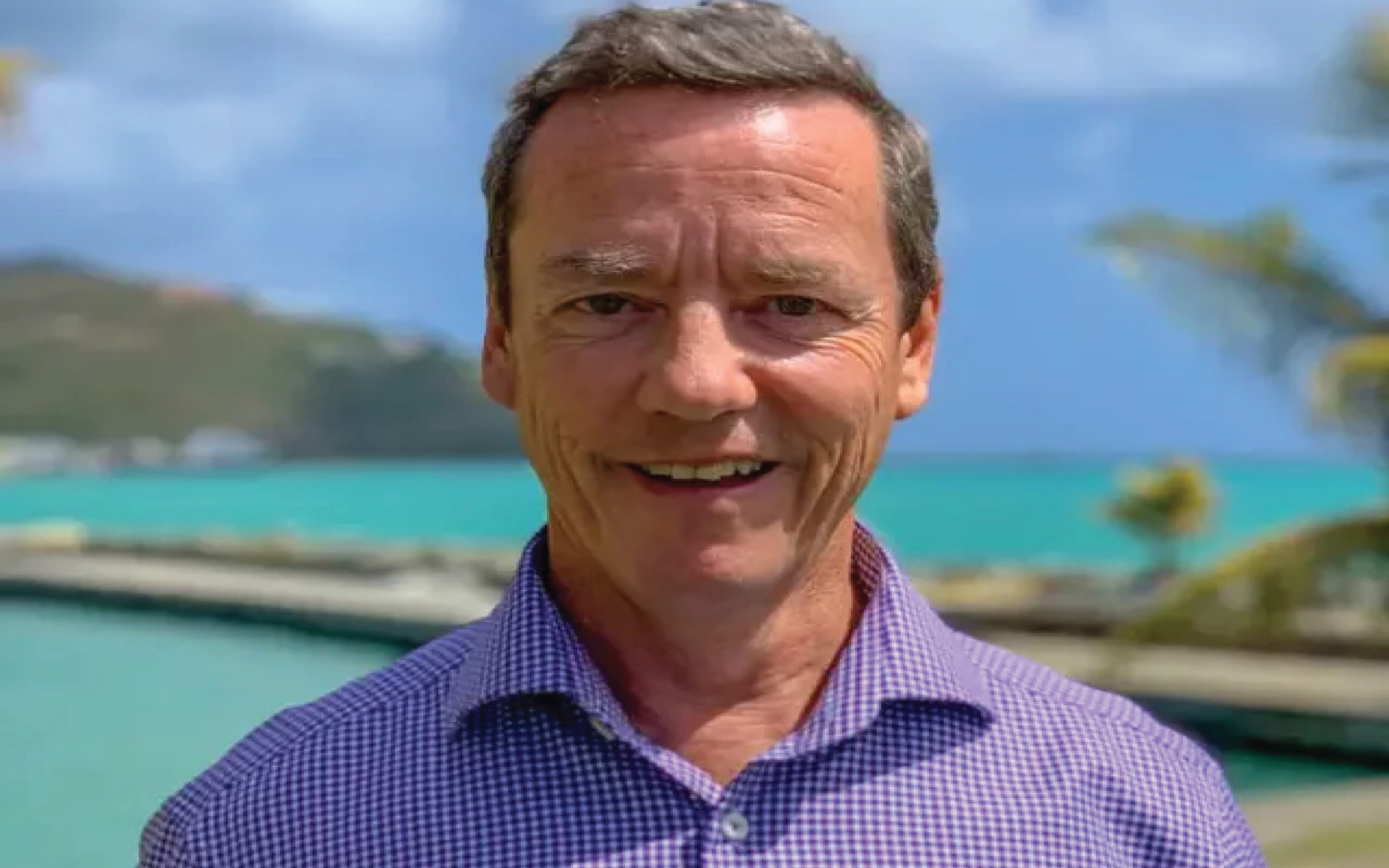
In April 2025, Paul Bayly assumed the role of CEO, bringing a wealth of international experience in banking, infrastructure, and post-disaster recovery. Appointed by the National Executive Council, his leadership signals potential for a turnaround. Will this bold audacious move yield result? Answer remains to be seen.
PNG Power’s financial and operational struggles are a significant barrier to PNG’s development. The utility has not recorded a profit since 2013 and is technically insolvent, burdened by 25% system losses and substantial debts to independent power producers, as noted in a July 2025 Business Advantage PNG interview.
Frequent outages frustrate customers and hinder industries reliant on consistent power. Similar challenges plague utilities in Fiji and Solomon Islands, where aging infrastructure and limited funding lead to unreliable electricity, according to a 2025 Asian Development Bank report.
Foreign currency shortages in PNG restrict access to imported equipment, while climate events like cyclones further strain Pacific grids. The Asian Development Bank estimates that Pacific utilities require US$1 billion annually for infrastructure upgrades. Without reform, these issues risk stifling economic growth and increasing poverty across the region.
Who Is Paul Bayly?
Paul Bayly, a New Zealand national, brings a 30-year career spanning banking, government service, military leadership, and infrastructure development to his role at PNG Power. His professional journey began at Citibank New Zealand, where he specialized in turning around distressed businesses, as reported in a July 2025 Business Advantage PNG interview.
He later joined Midland Montagu Merchant Bank in London, sharpening his expertise in corporate finance. In the 1990s, Bayly worked as a United Nations specialist across Southern and Eastern Africa, addressing economic and humanitarian challenges, according to his bio for the 2025 PNG Investment Conference. In 1996, he co-founded Cranleigh, an investment bank with offices in New Zealand, Australia, and Singapore, serving as Managing Director for 20 years. His work at Cranleigh focused on strategic advisory and organizational turnarounds, skills directly applicable to PNG Power’s current challenges, per the same bio.
Bayly’s military background adds a unique dimension to his leadership. A retired Colonel in the New Zealand Army, he served in conflict zones including Syria, Lebanon, and East Timor, as noted on his LinkedIn profile. These deployments honed his ability to lead diverse teams in high-pressure, multicultural environments, a critical asset for managing PNG Power’s workforce across Papua New Guinea’s varied cultural landscape.
In 2016, Bayly transitioned to public service as Permanent Secretary for Fiji’s Ministry of Infrastructure and Transport, overseeing critical agencies such as the Water Authority of Fiji, Fiji Roads Authority, Fiji Electricity Authority, Land Transport Authority, and Maritime Safety Authority, according to a PNG Power news release. His tenure focused on making services more client-oriented, improving access and efficiency in a multicultural nation. In 2017, he took on a high-profile role as CEO of the Virgin Islands Recovery and Development Agency in the British Virgin Islands, leading a US$1 billion recovery effort after Hurricanes Irma and Maria devastated the region, as reported by Business Advantage PNG. This role established him as an international expert in post-disaster recovery. Bayly returned to New Zealand in 2020 to work on large-scale infrastructure projects before his appointment at PNG Power.
Beyond his professional roles, Bayly is a Fellow of the Royal Geographical Society and the author of Doctor Livingstone, The Man, Myth and Legend, per his personal website. These accomplishments reflect a broader intellectual engagement that complements his practical expertise.
Bayly’s appointment as PNG Power’s CEO was formalized by the National Executive Council in March 2025 through Decision No. 281, as announced by PNG Haus Bung. He signed his contract that month and began his role in April, per a PNG Power news update. Since taking charge, Bayly has been active in addressing PPL’s challenges.
In June 2025, he visited Yonki Power Township with Chief Technical Officer Anthony Koiri to inspect the Ramu Hydro Power Station, according to a PNG Power news update. That same month, he addressed staff in a video shared on PNG Power’s Facebook page, expressing gratitude and outlining his vision, stating, “I feel honoured to work alongside you.”
In July 2025, Bayly detailed his turnaround strategy in a Business Advantage PNG interview, emphasizing six priorities: people, revenue enhancement, cost control, network repairs, customer service, and balance sheet recovery.
In August, he spoke at the Business Advantage PNG Investment Conference in Brisbane, reinforcing his focus on staff as the top priority, per a Post-Courier article. He also addressed misleading media reports in an August video on PNG Power’s Facebook, urging clarity in public communications. In September, he embarked on a nationwide tour to engage staff and tackle operational issues, as noted in a Post-Courier X post.
Challenges and Strategies
PNG Power’s insolvency demands immediate action. The company’s 25% system losses drain revenue, while frequent outages erode customer trust, as highlighted in a July 2025 Business Advantage PNG article. Bayly’s response is pragmatic and multifaceted. He prioritizes staff training to build technical and operational capacity, reviving the PPL training academy to onboard 200 cadets and 20 graduates in 2025, per a Post-Courier report. Decentralizing operations into four grid-based strategic business units aims to streamline management and improve efficiency.
Revenue enhancement focuses on upgrading billing systems to capture more income. Cost control targets operational inefficiencies, while network repairs seek to reduce system losses significantly. Improving customer service is central to rebuilding public confidence in PPL. For balance sheet recovery, Bayly is pursuing government recapitalization and exploring partial privatization to attract investors.
He is also engaging independent power producers to address outstanding debts. Cybersecurity emerges as a growing concern, with Bayly emphasizing due diligence, according to a PNG Power governance update. His successful reforms in Fiji, where he improved utility services, demonstrate his ability to tackle similar challenges. The Asian Development Bank recommends hybrid grids combining renewable and traditional energy for Pacific islands, and Bayly’s strategy aligns with this approach. He projects steady progress by 2026, though global fuel price volatility remains a risk.
Regional Focus
Bayly’s experience is highly relevant to the Pacific region’s utility challenges. In Fiji, as Permanent Secretary, he managed electricity and infrastructure agencies facing issues akin to PNG Power’s, including debt and service disruptions, per a PNG Power news release. His reforms there improved access and efficiency, offering a model for PNG. Fiji’s Energy Fiji Limited struggles with cyclone damage and funding shortages, as noted in a 2025 Asian Development Bank report.
Solomon Islands faces frequent blackouts due to outdated grids, per a 2024 World Bank study. Bayly’s work in the British Virgin Islands, leading post-hurricane recovery, equips him to address the Pacific’s climate vulnerabilities. His UN experience in Africa developed skills for leading diverse teams, essential for PNG’s multicultural workforce. The Pacific Power Association, which connects regional utilities, promotes strategies like staff training and decentralization, aligning with Bayly’s plans, per its 2024 report.
Bank South Pacific, operating in PNG, Fiji, and Solomon Islands, ties regional economies together, and a stable PNG Power could boost its performance. Bayly’s banking expertise aids in negotiating debt and donor funding, offering a template for Pacific utilities seeking financial recovery.
Solutions/Outlooks
Bayly’s leadership could transform PNG Power into a reliable utility. His global expertise aligns with Pacific challenges, from aging infrastructure to climate risks. Training programs will upskill workers, ensuring long-term capacity, as outlined in a Post-Courier report.
Decentralized units will enhance operational efficiency, while green energy projects, such as solar or hybrid grids, are under consideration, supported by the Asian Development Bank’s recommendations for renewable energy in Pacific islands. Regional partnerships through forums like the Pacific Power Association can share best practices, enabling Fiji and Solomon Islands to adopt similar reforms.
Staff empowerment and financial discipline are central to Bayly’s plan, with donor funding critical for long-term grid expansion, per a July 2025 Business Advantage PNG article. Pacific leaders should study PNG Power’s strategies, particularly its focus on training, decentralization, and sustainable energy. Bayly’s outlook projects measurable progress by 2026, though global risks like rising fuel costs require careful monitoring.
Conclusion
Paul Bayly combines banking, military, and recovery expertise to tackle PNG Power’s deep-rooted challenges. His practical plan—focusing on people, efficiency, and financial recovery—sets a standard for utility reform. Pacific nations like Fiji and Solomon Islands can draw lessons from his approach to strengthen their own utilities. Leaders should prioritize training, seek donor partnerships, and explore green energy to build resilient infrastructure. What steps can your utility take to improve reliability? How will you address financial and climate challenges? Bayly’s leadership urges action to secure a stable economic future.