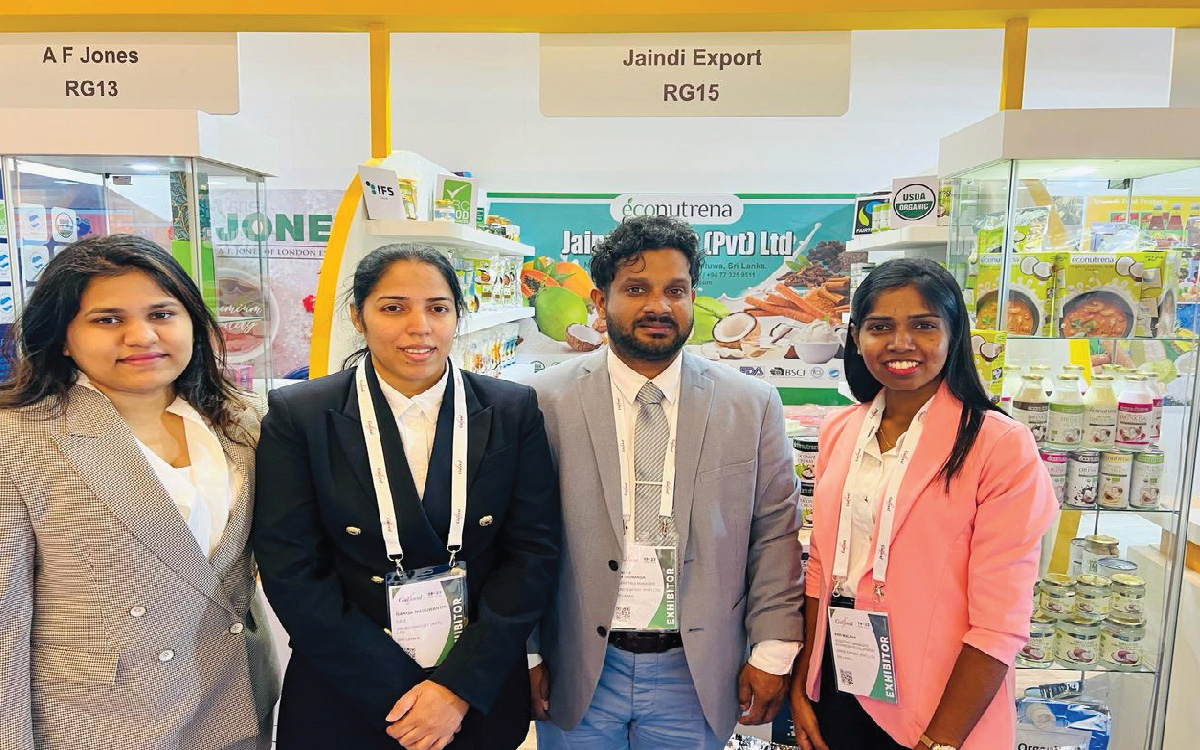
Madang, PNG-Jaindi Export Pvt Limited, a Sri Lankan coconut product manufacturer, aims to reshape Papua New Guinea’s coconut industry with a massive processing plant in Madang.
But who is Jaindi, and can it deliver? Here’s a breakdown of the company’s strengths, weaknesses, and gray areas, based on available data.
Jaindi is a heavyweight in Sri Lanka’s coconut sector. Operating two advanced plants, it produces a wide range of organic products under the ‘econutrena’ brand, including coconut milk, cream, oil, sugar, vinegar, and flour. Its clients span global giants like Australia’s Woolworths, high-end supermarkets, hotels, and cosmetic firms in Europe, North America, Japan, Germany, and the Netherlands. All products carry certifications like USDA Organic, Fairtrade, ISO 22000, and Control Union, ensuring quality and ethical standards.
The company’s export prowess is undeniable. Sri Lanka’s coconut market, valued at $1.3 billion in 2023, thrives on firms like Jaindi, which leverage cold-pressed techniques to preserve product quality. Jaindi’s established supply chains and market access, particularly in Australia, position it to cut costs by producing in PNG.
In PNG, Jaindi’s proposed plant promises economic transformation. It plans to process 100,000 coconuts daily, creating jobs and shifting PNG from raw exports to high-value products. PNG’s Minister Richard Maru praises the move, noting it aligns with goals to maximize value and brand products as “PNG Made.”
Jaindi’s track record isn’t flawless. Sri Lanka’s coconut industry faces challenges that could impact its PNG venture. Crop damage from monkeys, peacocks, and giant squirrels destroys 100 million coconuts annually, costing $19.3 million. Such losses strain supply chains, and Jaindi’s ability to secure steady coconut supplies in PNG’s less-developed agricultural sector is untested.
Economic volatility in Sri Lanka adds risk. The 2021 depreciation of the Sri Lankan Rupee boosted exports but exposed vulnerabilities to currency fluctuations. Exporters like Jaindi struggle with pricing stability, as noted by Ceylon Exports & Trading’s CEO: “The short-term volatility in exchange rates is a nightmare for exporters.” PNG’s own economic constraints could amplify these issues.
Jaindi’s scale raises concerns. Its dominance in Sri Lanka, where 10–15 companies control 75% of virgin coconut oil and milk exports, suggests a risk of monopolistic tendencies. In PNG, local farmers and businesses fear being sidelined if Jaindi prioritizes profits over fair partnerships.
Jaindi’s ambitions are bold but unproven in PNG. Its expertise in high-end coconut products is a clear asset, but PNG’s infrastructure—weak roads, unreliable ports, and power shortages—could derail the 100,000-coconut-a-day target. Sri Lanka’s advanced logistics don’t exist in Madang, and Jaindi’s proposal, due next week, must address these gaps.
The company’s organic focus is a double-edged sword. Certifications like USDA Organic attract premium buyers, but maintaining them in PNG’s less-regulated environment will be tough. Scaling organic production without compromising quality or exploiting local farmers remains a question mark.
Jaindi’s move also reflects strategic geopolitics. Producing in PNG cuts costs for Australian markets compared to Sri Lanka, giving Jaindi a competitive edge. Yet, this could spark tensions with Sri Lankan exporters like Pearl Island or Greenfield, who face rising tariffs and market pressures.
Jaindi Export is a proven player with global reach and certified quality. Its PNG venture could redefine the region’s coconut industry, creating jobs and value. But supply chain risks, economic volatility, and infrastructure hurdles loom large. Local stakeholders demand fair prices and equity, and Jaindi’s ability to balance profit with partnership will decide its legacy.