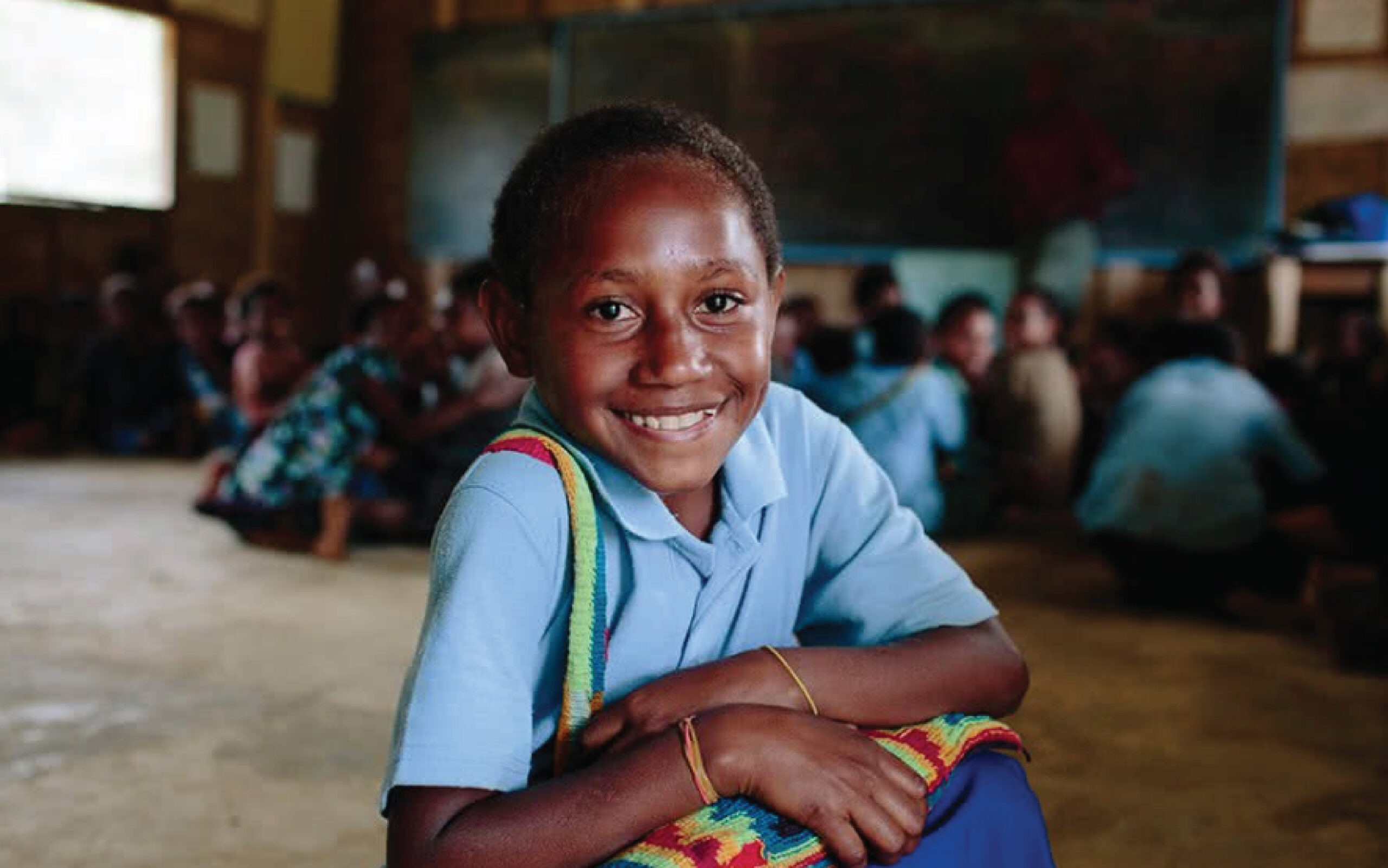
A new report by SBS Australia projects a stark future for global poverty, with an estimated 575 million people expected to be living in extreme poverty by the end of the decade.
This concerning trend has reignited concerns about Australia’s declining foreign aid spending.
Data from the Organisation for Economic Co-operation and Development (OECD) paints a worrying picture.
Out of 31 member countries, Australia sits near the bottom in terms of aid spending as a proportion of its Gross National Income (GNI).”Australia has dropped a long way down the rankings in the past decade,” says Dr. Cameron Hill, Senior Researcher at the Australian National University’s Development Policy Centre.
“We ranked 26th out of 31 countries in 2023, falling behind traditional allies like Japan, Canada, New Zealand, the UK, and the US.
“Australia’s aid budget peaked at around $6.56 billion in 2013-14 but has either declined or remained stagnant since. Adjusted for inflation, the Australian National University’s online Australian Aid Tracker reveals a significant decrease in aid generosity over time.
The “Safer World For All” campaign, coordinated by the Australian Council for International Development and Micah Australia, urges the government to take action. They warn that continued low aid spending will jeopardize future prosperity and security.
Development expert Dr. Annabel Dulhunty explains the potential impact of well-designed aid projects.
“Effective aid can have a generational effect, boosting local economies and strengthening relations between Australia and recipient countries.
“The Australian Council for International Development highlights that 10 of Australia’s top export markets were once recipients of its foreign aid.
However, Ms. Dulhunty points out that China is now surpassing Australia in aid investment within the Pacific region.
Australia’s current 0.19% of GNI allocated to aid falls far short of the United Nations target of 0.7% for developed nations.
This decline in aid commitment is reflected in Australia’s ranking on The Commitment to Development Index 2023. The country dropped 13 places compared to 2021, landing at 17th out of 40 assessed nations.
While the volume of aid is crucial, Ms. Dulhunty emphasizes the importance of effectiveness and oversight.
“Looking at the types of aid spending and ensuring its effectiveness through independent evaluation is critical,” she says.
Meanwhile, the ongoing conflict in Sudan highlights the urgent need for sustained aid efforts. Deputy UN High Commissioner for Refugees Kelly Clements calls for continued support, emphasizing the need to look beyond emergency response and consider long-term solutions.
Most of Australia’s aid investments are directed into the neighboring region of Pacific island nations, as well as East and South East Asia, with Papua New Guinea receiving the largest portion according to SBS Australia.