Lelang Inherits PNG’s US$1.19 Billion IMF Deal in Its Closing Six Weeks
New Treasurer Joseph Lelang takes over with PNG's IMF programme due to expire in December, US$189 million awaiting board approval and a 2027 Budget to table.
Key points
- IMF staff agreed the final reviews on 6 October, which would release up to US$189 million and lift total support to about US$1.19 billion; Exepreneur found no Executive Board approval announced by 18 November.
- Treasury's mid-year outlook projects debt of K70.07 billion at the end of 2026 and interest of K4.02 billion, K300 million more than budgeted.
- The IMF says a successor programme will be considered after the 2027 election, so no new IMF arrangement is planned before PNG votes in mid-2027.
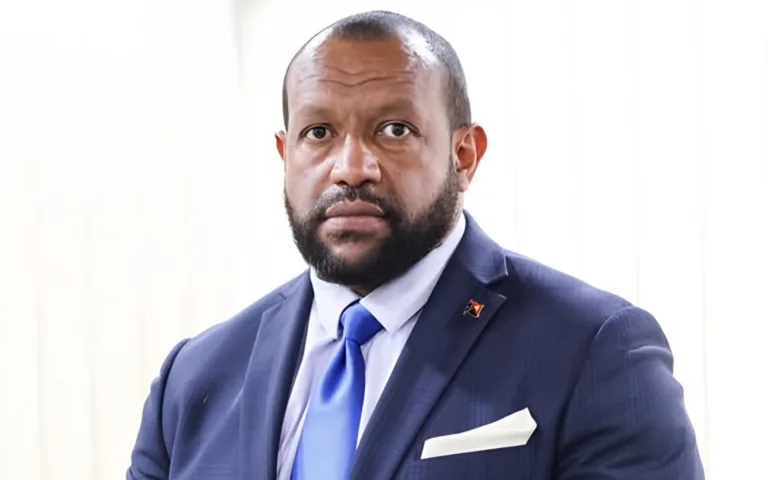
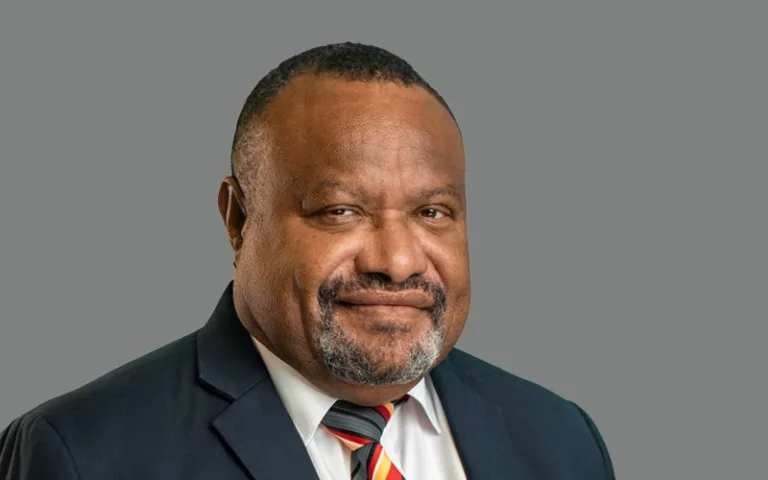
Joseph Lelang became Treasurer of Papua New Guinea on 12 November, with the country’s US$1.19 billion IMF programme due to expire in December. Prime Minister James Marape announced the appointment that day, according to the National Information Center, moving Ian Ling-Stuckey to Rural and Economic Development after seven years at Treasury.
Marape said Lelang will present the 2027 Budget when Parliament resumes its November sitting “next Tuesday”, One PNG reported on 17 November. He described the Budget as balanced and worth more than K30 billion.
The National Information Center described Lelang as a former senior official in the National Planning Department. Marape gave him three tasks: “reducing reliance on borrowing, attracting more foreign investment and reviewing the country’s taxation system,” the same report said.
Ling-Stuckey stays in Cabinet. His new ministry covers economic modelling, price controls, labour mobility and the National Economic and Fiscal Commission, the National Information Center reported.
The last tranche
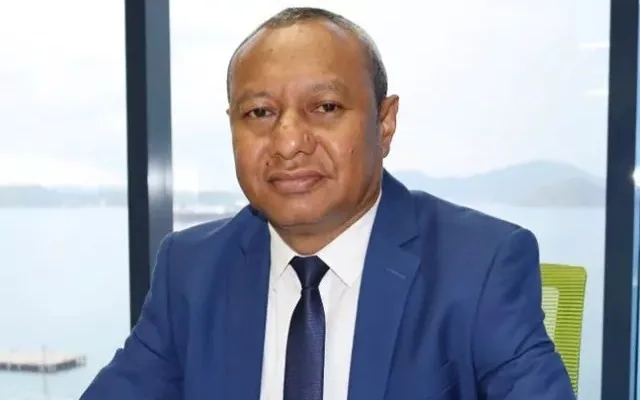
An IMF mission led by Nir Klein visited Port Moresby from 24 September to 7 October, Devdiscourse reported. It reached a staff-level agreement on the seventh reviews under the Extended Credit Facility and Extended Fund Facility, and on the fourth review under the Resilience and Sustainability Facility.
Board approval would release about US$82 million under the two extended facilities and up to US$107 million under the climate facility, according to the same report. That would take total disbursed IMF support to about US$1.193 billion.
Exepreneur found no announcement of Executive Board approval by 18 November. The IMF’s country page for Papua New Guinea, checked that day, listed no Board action on the seventh reviews.
The programme began on 22 March 2023 with a US$918 million package under the two extended facilities, Exepreneur reported on 9 November from IMF records. The IMF added the climate facility in December 2024.
Announcing the staff agreement, Ling-Stuckey said PNG had met 206 reform measures and targets over 38 months, The PNG Bulletin reported on 9 October. He also said PNG was only the 15th country to reach agreement on seven consecutive reviews without delay. He put concessional IMF financing since 2020 at about K7.285 billion. None of these figures has been confirmed independently by the IMF in material Exepreneur has seen.
What the IMF says is still open
The IMF credited the Bank of PNG’s crawl-like exchange rate arrangement, adopted in January 2024, with reducing the kina’s overvaluation, Devdiscourse reported. It still wants the central bank to publish more about how the arrangement operates and to allow deeper price discovery in the currency market. It also wants the Kina Facility Rate gradually aligned with the exchange rate framework. The IMF links those steps to restoring full kina convertibility.
On governance, the IMF wants the Internal Revenue Commission Oversight Board made operational and permanent leadership appointed at the Independent Commission Against Corruption. It also asked for the central bank board to be fully staffed.
The Financial Action Task Force added Papua New Guinea to its list of jurisdictions under increased monitoring on 13 February 2026, according to the FATF’s published list. The IMF said implementing the FATF action plan is critical to leaving that list.
Under the climate facility, the IMF named a National Emergency Management Authority and a central database of climate projects. The authority would replace the framework in the Disaster Management Act of 1984. Ling-Stuckey told The PNG Bulletin it was the one reform outstanding, because agencies had not agreed in time.
The Treasury numbers he inherits
Authorities met all but one quantitative performance criterion and every indicative target at end-June, according to the IMF statement as reported by Streamline. The same statement recorded a temporary deviation from the deficit target in the first half, caused by spending pressures and delayed dividends from state-owned enterprises.
Treasury’s 2026 Mid-Year Economic and Fiscal Outlook recorded a first-half deficit of K2.41 billion against a full-year target of K1.61 billion. It said a policy adjustment of K2.98 billion was needed in the second half. The September supplementary budget kept the K1.6 billion deficit target while leaving room for El Niño emergency spending, according to the IMF statement.
The same report projects public debt at K70.07 billion at the end of 2026, or 43.6% of GDP, against K68.46 billion at the end of 2025. The 2026 Budget had forecast K66.22 billion. Treasury attributed most of the overshoot to the revaluation of foreign currency loans after the kina’s decline.
The IMF said in October that public debt had started falling. On Treasury’s figures that holds for the ratio, which drops from 50.0% to 43.6% of GDP. The kina amount rises by K1.61 billion, the same size as this year’s deficit target. The ratio falls because nominal GDP is forecast to grow faster than the debt.
The mid-year outlook raised the 2026 interest estimate to K4.02 billion from the K3.72 billion in the Budget, an increase of K300 million. By Exepreneur’s calculation, the new estimate is 2.5 times the K1.61 billion deficit target.
The IMF projected growth of 3.1% in 2026, down from 6.2% in 2025, citing plateauing LNG output and El Niño damage to agriculture and mining. In June the Fund had forecast 3.8% for 2026, PNG Business News reported. The National Statistical Office recorded annual inflation of 5.3% in the June quarter, above Treasury’s mid-year forecast of 4.5% for the 2026 average. The IMF put gross reserves at about US$4 billion at the end of June, close to five months of imports.
No IMF anchor until after the election
The IMF said the current arrangement expires in December 2026 and that authorities would consider a successor after the 2027 general election. PNG holds that election in mid-2027. On that timetable, the 2027 Budget Lelang tables next week will run its first half without IMF reviews.
Ling-Stuckey told The PNG Bulletin that a programme assessment is scheduled for March 2027 and that discussions were under way on possible new IMF-supported programmes to help restructure debt. The report did not say what restructuring was being considered.
PNG’s US$500 million international bond, issued in 2018 at 8.375%, matures in 2028, as Exepreneur reported on 9 November.
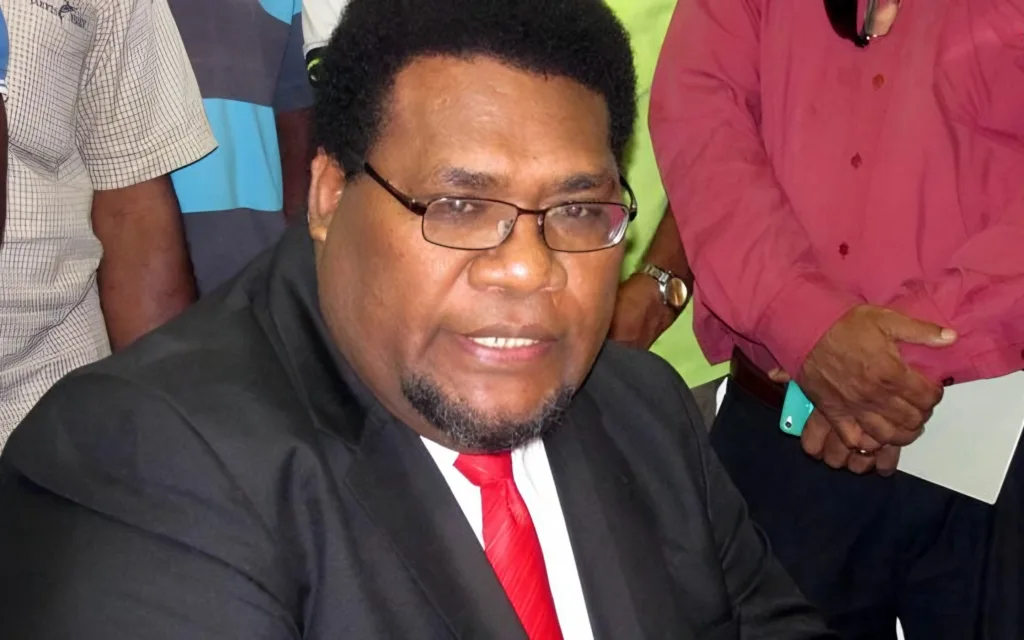
Opposition Leader James Nomane, speaking to The National on 16 November, argued that Ling-Stuckey had narrowed the deficit. Marape told the paper the move gave Ling-Stuckey “some breathing space”.
The 2026 Budget had projected a small surplus in 2027. Ling-Stuckey told The PNG Bulletin a surplus would be the first since 2010. Marape now describes the 2027 plan as balanced.
What to watch
Parliament resumes next Tuesday, when the 2027 Budget is due. The IMF Executive Board has yet to publish a decision on the final US$189 million. The current arrangement expires at the end of December, and Ling-Stuckey has said a programme assessment is scheduled for March.
The Budget papers will show whether the K2.98 billion second-half adjustment was delivered and what interest bill Treasury now expects for 2027. Treasury’s last forecast for 2026 interest was K4.02 billion. The 2026 Final Budget Outcome, which will show whether the K1.61 billion deficit target held, is due around August 2027, after the election.