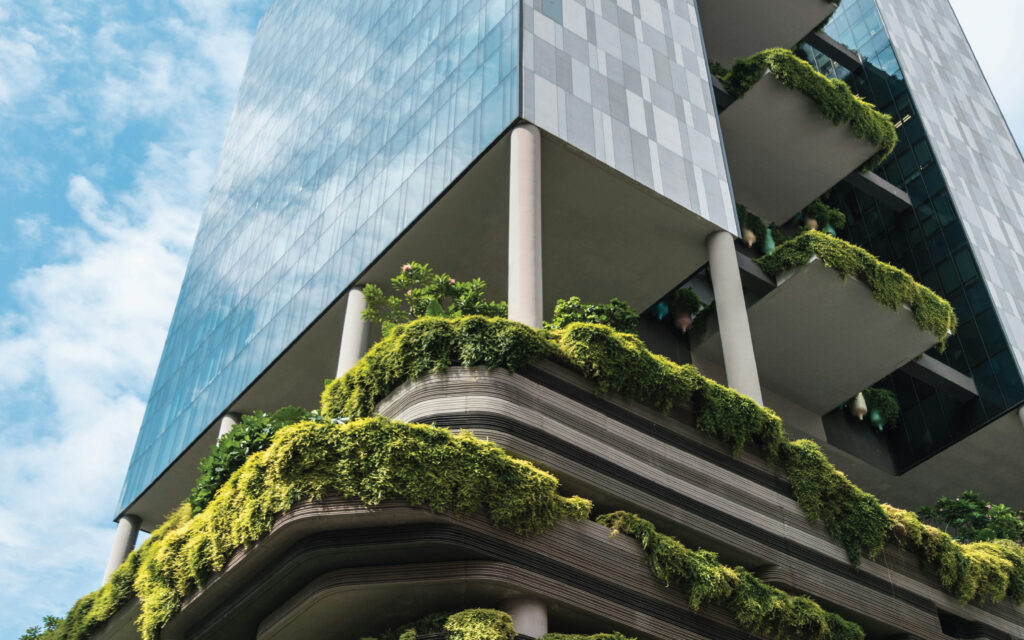
Sustainability is no longer an option. It’s a mandate shaping the real estate landscape across the Asia Pacific. Developers, investors, and governments are steering towards green buildings. The market reflects this shift clearly in 2025.
Green buildings reduce environmental impact. They lower energy and water consumption. They improve occupant health. These factors drive growing demand from tenants and investors alike.
Asia Pacific presents a fragmented but rapidly evolving picture. Leading markets like Singapore, Australia, and Japan have embraced stringent green building standards. Emerging economies such as Indonesia, Vietnam, and the Philippines are catching up fast.
In Singapore, more than 80% of new commercial developments in 2024 were green-certified under the Building and Construction Authority’s Green Mark scheme. This certification demands rigorous sustainability measures and confers tax incentives and rebates. Developers see this as a competitive edge (BCA Singapore, 2024).
Sydney’s commercial real estate market mirrors this trend. Green buildings account for a significant share of stock. Investors are willing to pay a premium for energy-efficient properties. According to the Property Council of Australia’s 2024 report, certified green buildings recorded rental yields 5% to 10% higher than traditional properties (Property Council of Australia, 2024).
Emerging markets face challenges. Infrastructure gaps, regulatory inconsistencies, and financing constraints slow progress. Yet momentum is building. Vietnam’s Ho Chi Minh City launched a green building code in early 2025 that aligns with global standards. Developers are rapidly adopting solar energy, efficient HVAC systems, and sustainable materials (Vietnam Ministry of Construction, 2025).
Japanese property markets highlight innovation. Tokyo’s green skyscrapers integrate natural ventilation, rainwater harvesting, and rooftop gardens, reducing operating costs and carbon footprints. Tenant demand for healthier indoor environments further fuels growth (Japan Green Building Council, 2024).
Sustainability is no longer confined to new builds. Retrofitting existing buildings for energy efficiency is becoming commonplace. Investors recognize long-term value. Reduced utility expenses and regulatory compliance justify upfront costs, as noted in the Asia Pacific Retrofit Market Outlook (Oxford Economics, June 2025).
Digital technologies accelerate impact. Building management systems enable real-time energy monitoring. AI optimizes HVAC and lighting usage, mitigating waste. This enhances sustainability and operational efficiency—a win-win for owners and tenants (McKinsey Digital, 2025).
Asia Pacific’s residential segment sees steady adoption too. Buyers increasingly value eco-friendly homes with solar panels, water-saving fixtures, and sustainable landscaping. Developers tailor offerings accordingly (Statista Market Forecast, 2025).
Financial institutions are responding. Green bonds and sustainability-linked loans are increasingly common. They fund large-scale green projects, lowering the cost of capital. Australia’s Commonwealth Bank committed over AUD 5 billion to green construction in 2024 alone (Commonwealth Bank Annual Report, 2024).
Governments play a crucial enabling role. Policy frameworks encouraging sustainable construction drive industry transformation. Incentives, tighter building codes, and public awareness campaigns are vital (Asia Pacific Economic Cooperation Report, 2025).
Then there is the pressure of global climate commitments. Asia Pacific nations account for nearly half of global emissions. Real estate contributes substantially. Meeting net-zero targets demands rapid and large-scale adoption of green building practices (International Energy Agency, 2025).
Yet challenges remain. Higher upfront costs, fragmented regulations, and lack of skilled labor can slow adoption. Transparency and standards harmonization need improvement, especially in emerging markets (World Green Building Council, 2025).
Despite these hurdles, the narrative is clear: sustainable real estate is the future. Investors, occupiers, and policymakers prioritize buildings that minimize environmental impact while maximizing social and economic benefits.
The rise of sustainable and green buildings in Asia Pacific property markets reflects a wider global shift. It’s not merely an ESG trend but a fundamental redefinition of how real estate is designed, built, and operated.
This transition presents opportunities. Early adopters gain competitive advantage. Buildings deliver better returns and resilience. Communities benefit from reduced pollution and healthier environments.