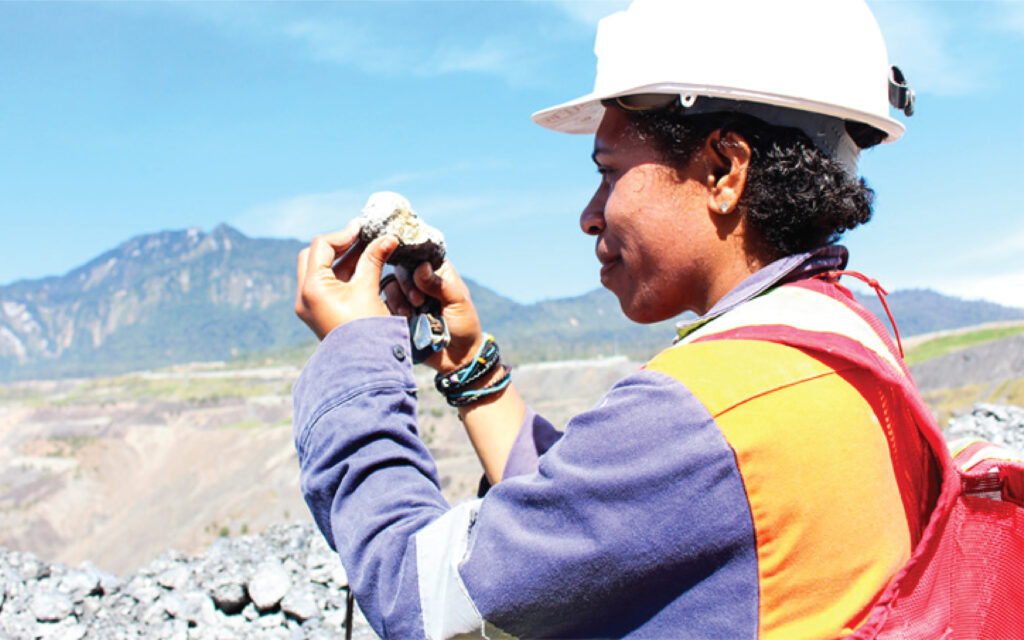
The Porgera Joint Venture is an open pit and underground gold mine located at an altitude of 2,200-2,600 meters in the Enga Province of Papua New Guinea, about 600 kilometers north-west of Port Moresby. The mine has a long and
Opened in 1990, it quickly became one of the world’s largest gold mines, generating significant revenue for the country. However, its impact has been a subject of debate, with concerns surrounding environmental damage, social unrest, and limited benefits reaching local communities.
A Golden Past, But Tarnished by Challenges:
According to the Institute of National Affairs (INA), the Porgera Mine contributed an estimated K13.2 billion (USD $3.7 billion) to PNG’s economy between 1991 and 2019, with taxes being the most significant financial contribution (40.9%).
However, a 2011 report by Human Rights Watch (HRW) documented social and environmental issues linked to the mine. The report highlighted the displacement of local communities, inadequate compensation for land use, and environmental damage caused by mine waste disposal.
A New Deal and a Projected Windfall:
In 2022, the PNG government renegotiated its agreement with Barrick Niugini Limited (BNL), the mine operator. This resulted in a significant shift in ownership, with PNG taking a majority 51% stake through its mining company Kumul Minerals Holdings Limited. Local landowners and the Enga Provincial Government also saw their shareholding increase to a combined 15%, a substantial improvement from previous agreements.
Prime Minister James Marape hailed the deal, stating, “The share of equity and economic benefits that belong to the landowners is a first in PNG’s agreements with international investors.”
This change in ownership structure is projected to translate into a substantial financial windfall for PNG shareholders. Under the new agreement, and assuming a gold price of US$1,800 per ounce, PNG is expected to receive over K26 billion (US$7.2 billion) over the 20-year lifespan of the mine, with K11 billion (US$3 billion) expected in the first ten years.
Reasons for Optimism
Proponents of the new deal argue that increased PNG ownership will ensure a fairer distribution of benefits. Additionally, the mine is expected to contribute significantly to the national treasury through corporate taxes and royalties. Furthermore, the creation of thousands of jobs, with a focus on employing local Papua New Guineans, offers a much-needed economic boost to the region.
Security Concerns and Environmental Risks Remain
Critics, however, remain cautious. The recent deployment of a joint military and police force to combat illegal mining activity underscores ongoing security concerns. Additionally, the environmental impact of renewed mining operations needs to be closely monitored and mitigated.
Conclusion
The Porgera Mine presents a complex story of economic opportunity intertwined with past challenges. The new ownership structure offers the potential for a more equitable distribution of wealth and a significant financial windfall for PNG. However, ensuring sustainable mining practices, addressing security concerns, and guaranteeing transparency in benefit distribution remain crucial for the project’s long-term success. Only time will tell if the Porgera Mine can truly usher in a new era of prosperity for Papua New Guinea.
Related posts:
- $6.3M TOTAL CAPITAL: Touch2Pay Hits $6.3M Total Capital with $3.2M Pre-Series A2 Funding Closure
- A $2M BET BECOMES 42 BILLION: How Bryan Slusarchuk’s $2 Million Bet Turned Into $2 Billion with K92 Mining in Papua New Guinea
- $80 BILLION MERGER: Woodside Energy and Santos Discuss Potential $80 Billion Merger
- PNG Customs Services Implements Tax Relief Measures on Consumer Goods