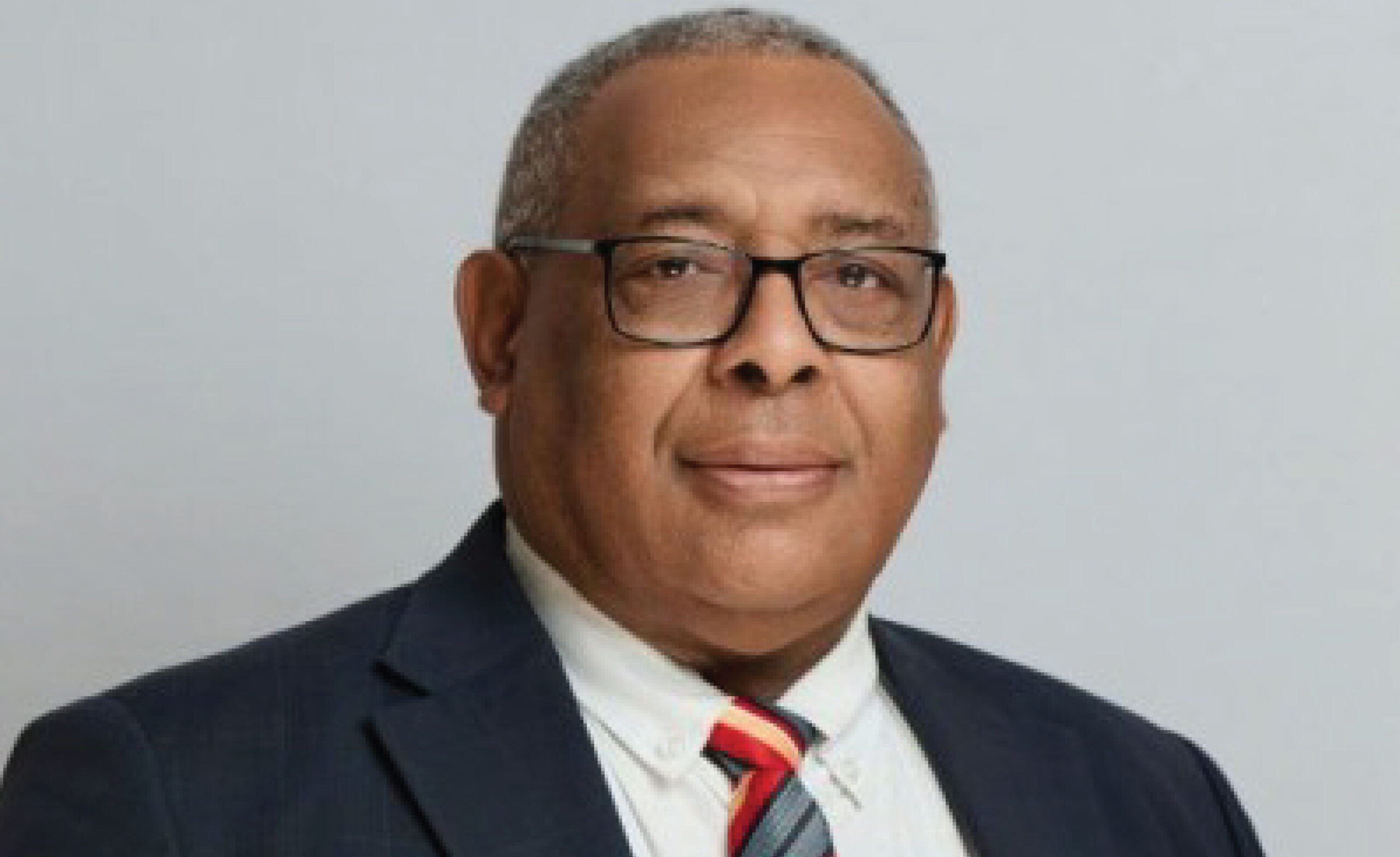
Papua New Guinea has signed a K26 million, three-year agreement with Australian enterprise software group TechnologyOne to expand the government’s Integrated Financial Management System (IFMS), according to announcement by Chief Secretary to Government, Ivan Pomaleu. The contract covers cloud technology and artificial intelligence support for the system used to manage government financial processes, and is reported to operate across all 22 provinces, connecting national departments with provincial and other subnational entities.
What the deal covers
The new agreement is framed as both a software support contract and a public-finance reform project. Acting Chief Secretary to the National Government Ivan Pomaleu OBE described it as “a major step in modernising how the government manages and accounts for public resources”, with a shift from basic software deployment toward “long-term operational sustainability, financial sovereignty and institutional capability”, PNG Business News reported.
Finance Secretary Samuel Penias tied the investment directly to transparency and accountability goals. He said: “This K26 million contract is not just an investment in software; it is a profound commitment to the transparency, accountability, and financial sovereignty of our nation,” according to IT Brief. He added: “By securing this three-year partnership with TechnologyOne, we ensure that our digital financial backbone remains resilient, highly secure, and equipped for future upgrades,” IT Brief quoted him as saying. In a later statement he reiterated: “Together, aligned under MTDP IV and driven by modern digital technology, we are building a transparent, resilient and sovereign financial foundation that will empower essential services and serve the people of Papua New Guinea for the next 50 years and beyond,” The PNG Bulletin reported.
TechnologyOne positions the arrangement as part of PNG’s wider push to modernise public financial management, with cloud and AI components intended to improve automation, reporting and oversight, the company and PNG Business News said. The company says further work will include enhanced cash receipting, capital project tracking, electronic funds transfers and stronger integration between government systems, PNG Business News reported.
A tighter control over how funds are budgeted, approved, committed, paid and reported
The government is seeking tighter control over how funds are budgeted, approved, committed, paid and reported, PNG Business News said. The central question is whether the upgraded system can reduce the gap between budget decisions made in Port Moresby and the delivery of funds, services and projects across the country, the outlet reported.
TechnologyOne’s system is expected to provide more current visibility over government spending, approval workflows and financial records, according to PNG Business News. For the Treasury, Finance Department and agency heads, that could mean earlier identification of spending delays, uncommitted budgets, supplier-payment backlogs and unusual transactions, the report said. For provincial administrations, the potential benefit is more basic: a common financial system that makes it easier to track releases, manage commitments, reconcile accounts and prepare reports without relying on disconnected spreadsheets or delayed manual records, PNG Business News noted.
PNG has 22 provinces, each with different levels of internet access, staffing depth, finance capability and administrative capacity, the report said. A platform can be available nationally without being used consistently. If provincial teams lack reliable connectivity, training, user support or authority to resolve system issues, the technology may deepen the divide between better-resourced agencies and those with weaker capacity, PNG Business News warned.
The deal will therefore be judged less by its K26 million price tag than by whether the government can show practical improvements in financial control, the outlet said. That includes whether departments can produce more reliable expenditure reports; whether invoices are processed more consistently; whether budget overruns and irregular commitments are flagged earlier; and whether finance officials can trace funds through the system before problems appear in audit findings, PNG Business News reported.
The AI promise and its limits
Artificial intelligence is likely to be the most marketable part of the announcement, but its role is more limited than the label suggests, according to PNG Business News. Financial-management systems can use AI tools to identify duplicate invoices, unusual payment patterns, delayed approvals and transactions outside expected spending behaviour; they can help finance officers sort documents, identify exceptions and produce reports faster, the report said. They cannot decide whether a payment should be made, whether a contract represents value for money or whether a procurement decision was appropriate. Those decisions remain with public servants, departmental heads, procurement teams, auditors and ministers, PNG Business News noted.
TechnologyOne describes its AI component as TechnologyOne Plus, an enterprise-grade “agentic” AI system governed under ISO 42001:2023 standards and a “human-in-the-loop” framework, enabling public servants to interact with complex financial data through text and voice commands, the company told PNG Business News. The company has said its AI use follows a human-in-the-loop model, meaning officials retain responsibility for decisions, PNG Business News reported. That is the appropriate model for public finance, where the consequences of an incorrect decision extend to contractors, public employees, service providers and communities, the outlet said.
The main risk is that AI becomes a branding device rather than an accountability tool, PNG Business News warned. The government will need clear rules on data access, audit trails, escalation procedures and staff responsibility when the system flags an irregularity. A warning that is not investigated does not improve financial control. A system that records a transaction but cannot stop an unauthorised payment does not reduce leakage, the report said.
Data, confidence and the bigger reform picture
The deal also raises a larger question about government data. A functioning integrated financial management system can create a single record of what has been allocated, committed and spent. That matters when departments, provincial administrations and state agencies need to work from the same numbers, PNG Business News said. For investors and development partners, reliable financial data can improve confidence in how public resources are managed. For contractors, it can provide better visibility around approvals and payments. For citizens, it can strengthen the link between budget announcements and the services those budgets are meant to fund, the outlet reported.
PNG’s economy is facing growing pressure from fuel costs, infrastructure needs and demands for greater public-service delivery. Better control over public spending will matter as much as higher revenues, PNG Business News said. The K26 million investment will not resolve those pressures on its own. It cannot fix weak procurement decisions, unclear responsibility, poor project design or the political incentives that drive spending choices, the report noted. It can, however, make the financial consequences of those decisions easier to see, PNG Business News said.
To move from announcement to accountability, the government should set public tests for the system over the next three years: faster and more reliable financial reporting; greater provincial adoption; fewer payment backlogs; earlier detection of irregular transactions; stronger compliance with approval processes; and a measurable reduction in recurring audit issues, the outlet reported. A cloud platform is not evidence of reform. A public-finance system that makes it harder for money to disappear, easier for officials to act and clearer for citizens to see where funds are going would be, PNG Business News said.