Papua New Guinea has secured immediate access to approximately US$219 million from the International Monetary Fund (IMF), following the Executive Board’s approval of the Fifth Reviews under the Extended Credit Facility (ECF) and Extended Fund Facility (EFF) arrangements, alongside the Second Review under the Resilience and Sustainability Facility (RSF).
The disbursements include SDR 121.07 million (about US$165 million) under the ECF/EFF programs and SDR 39.48 million (about US$54 million) under the RSF, pushing total payouts to SDR 622.48 million (around US$851 million) since the programs began.
Approved in March 2023, the ECF/EFF arrangements—worth SDR 684.32 million (260% of PNG’s quota)—target chronic foreign exchange shortages and structural barriers to growth. The 24-month RSF, greenlit in December 2024 for SDR 197.4 million (75% of quota), bolsters defenses against climate-driven balance-of-payments risks.
PNG’s economy shows promise, with 2025 growth forecast at 4.5%, fueled by resource sector expansion, better FX access, and strong agriculture. Inflation should climb to 3.8% from 2024 lows as betel nut price drags fade. Medium-term growth stabilizes above 3%, with inflation at 4.5%.
Yet risks loom large: domestic shocks, capacity gaps, socio-political tensions, commodity swings, geopolitics, and fading global aid could derail progress. Upside potential lies in new resource projects boosting exports.
Program performance stays strong, with most targets met despite a minor fiscal deficit slip (waiver granted after corrective steps). All structural benchmarks were hit or nearly so, plus RSF reforms advanced.
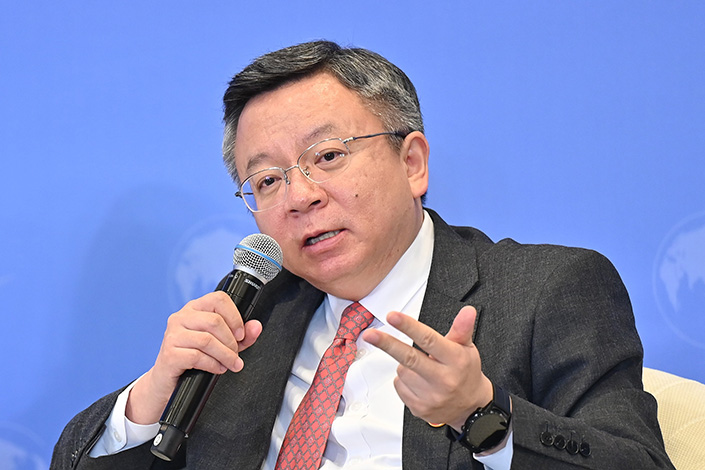
IMF Deputy Managing Director and Acting Chair Mr. Bo Li hailed the progress:
“The Papua New Guinea (PNG) authorities have accomplished steady progress in implementing their homegrown reform agenda under the Fund-supported programs. Sustained commitment to these reforms will help rebuild policy buffers, address the country’s long-standing structural challenges, and secure a more resilient, inclusive, and greener economic growth.
“The authorities have been successfully reducing the fiscal deficit, with additional consolidation efforts envisaged in the 2026 budget. Steps to durably increase revenue mobilization, consistent with the authorities’ Medium-Term Revenue Strategy, further contain the growth of current spending, and improve expenditure efficiency would help reduce public debt vulnerabilities. At the same time, protecting social and capital spending, strengthening debt management capacity, and modernizing cash management practices are also essential.
“Access to foreign exchange has improved significantly in recent months thanks to central banking reforms, increased flexibility of the Kina, and favorable external conditions. The current crawl-like arrangement remains appropriate to tackle the overvaluation of the Kina and facilitate its return to convertibility. A tighter monetary policy stance, through timely adjustments in the Kina Facility Rate, is needed to ensure consistency between monetary policy and the exchange rate regime. Additional steps to modernize monetary policy operations, strengthen the Bank of PNG’s liquidity management capacity, develop the interbank market, and contain financial stability risks would help to support financial sector development.
“Further efforts to promote good governance and enhance the effectiveness of anti-money laundering and countering financing of terrorism framework are critical to support the business environment. Delivering tangible and long-lasting results in the fight against corruption will be key to reinforcing the credibility of the Independent Commission Against Corruption.
“Building resilience to climate-related risks is crucial for achieving high and inclusive growth. The program supported by the Resilience and Sustainability Facility focuses on strengthening disaster risk management, integrating climate considerations in infrastructure governance, developing climate finance, and setting up incentives for forest protection and fuel efficiency will help attaining these objectives.”
These funds reinforce PNG’s reform drive toward debt sustainability, FX relief, governance, climate resilience, and inclusive growth.
Related posts:
- BSP Financial Group Reports K860M Revenue, K284M Profit Up 22% in Q3 2025
- ANZ Bank Reports statutory profit of AUD 5.89 billion for 2025 Financial Year
- Is International Monetary Fund’s Oversight on PNG’s Internal Revenue Commission a Threat to Sovereignty or Essential Reform?
- A Closer Look at Jaindi Exports and Its Plan to Build a Massive Content Processing Plant in Madang, PNG