The government of PNG is threatening to shut down social media in the country citing widespread abuse.
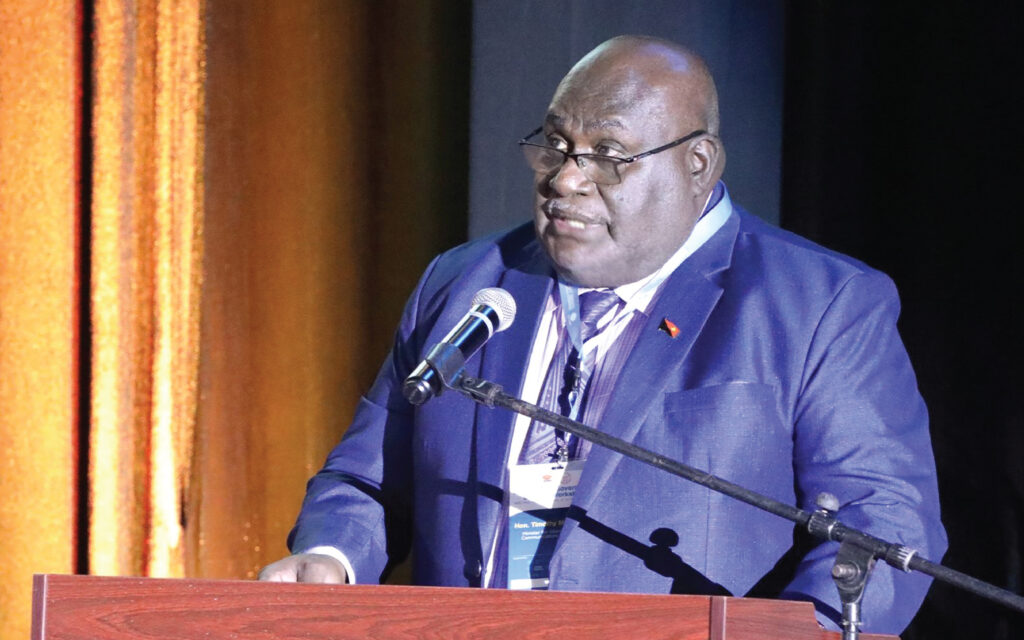
Minister responsible, Timothy Masiu issued a stern warning in a statement saying “We now give 10 days effective from today for people to adhere or face a complete shutdown of social media sites and applications for the duration of the State of Emergency”
The decision comes in response to concerns about the dissemination of fake news and misinformation, which authorities argue played a role in the recent unrest in Port Moresby.
Minister Masiu added “I have a statutory power under the National Information and Communication Technology Act 2009 to restrict access to social media sites and applications if this continues”.
The government has a valid argument that spread of fake news and misinformation on social media incited violence, destruction of business properties costing millions of kina and loss of lives.
The question arises as to whether the unrest could have been prevented if the government had been proactive rather than reactive, as it currently is, threatening to shut down social media.
In 2018, and in the face of a looming vote of no confidence, PNG govt threatened to ban Facebook and other social media channels citing the need to conduct research on the use of anonymous accounts to spread fake news, pornography, and misleading information. The decision was met with widespread backlash.
Shutting down social media now will have consequences on government to business and most importantly government to citizen communications. Given the high cost of living, most citizens rely now are days on low cost social media channels to monitor what’s going on in the government and the businesses circles and their respective communities.
The government’s threat to shut down social media raises concerns about potential violations of the right to free speech. Shutting down platforms where citizens express their views may be seen as a restriction on the freedom of expression, a fundamental human right.
While the PNG Government lacks a centralized filtering system, it has the option to mandate all internet service providers (ISPs) in the country to limit access to the addresses of social media platforms. This decision would likely be unpopular from a business standpoint, as social media usage constitutes a significant portion of data traffic for which ISPs charge their customers.
Businesses across the country depend on social media channels for marketing and sales. Shutting down social media is a blow to both businesses and citizens, adding to the stress of inflation and high cost of goods and services.
The government threatens to shut down social media because it has become the most effective, widely utilized, and instantly accessible channel for citizens to not only consume information but also rightfully express their views on the pervasive issues of corruption, mismanagement, and failed political leadership in the country.