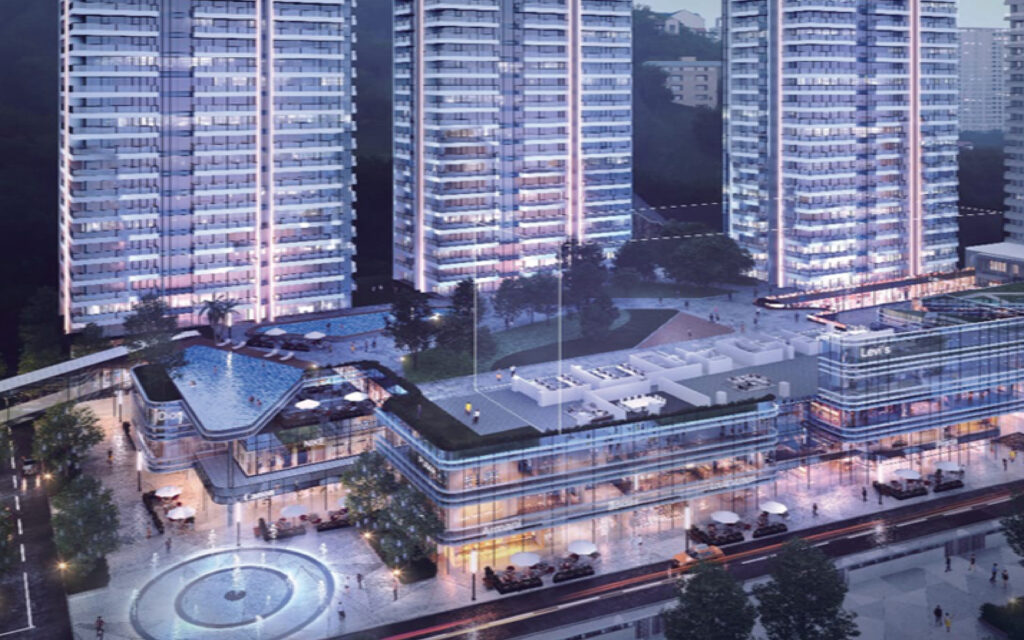
Papua New Guinea’s economic growth has relied heavily on resource extraction. Amid growing calls for diversification, infrastructure projects that blend tourism, commercial activities, and urban regeneration have become vital opportunities to broaden the country’s economic base. The recently licensed K2.2 billion Sea Park development in Port Moresby promises to be a game changer. As Papua New Guinea and the wider Asia Pacific region navigate global economic uncertainties, Sea Park’s potential to invigorate local employment, attract investment, and enhance urban amenities is timely and significant.
The Challenges
PNG faces structural economic challenges. The reliance on extractive sectors makes growth vulnerable to commodity cycles. High urban unemployment, lagging infrastructure, and limited commercial spaces in Port Moresby constrain economic diversification and tourism development. These issues undermine efforts to build higher-value service and hospitality industries that can complement existing resource sectors.
At the same time, Papua New Guinea’s expanding population, increasingly youthful workforce, and urban migration trends demand new commercial and residential infrastructure to support quality of life and business growth. However, obstacles like land tenure complexity and inadequate power and transport infrastructure continue to discourage private investment.
Sea Park Development Limited aims to tackle these challenges head on by establishing a modern, multi-use economic zone that integrates tourism, residential, retail, and office spaces into a consolidated precinct between Ela Beach and Paga Hill. This project has legislative and regulatory backing under PNG’s Special Economic Zones framework, making it a flagship development for the government’s diversification agenda.
Sea Park’s Scope and Licensing
In June 2025, Sea Park Development Limited secured a 10-year SEZ license from the Special Economic Zone Authority (SEZA). This license allows the project to benefit from special fiscal policies, streamlined investment approvals, and infrastructure facilitation, critical incentives that reduce operational risks for both developers and investors.
Dr. Lawrence Sause, Chairman of SEZA, reiterated that Sea Park is a “blueprint for future SEZ developments” in Papua New Guinea. The license was awarded after the project met nearly all the stringent SEZ criteria, with one outstanding item—a finalized feasibility report—expected within six months.
Sea Park is budgeted at K2.2 billion, with phased construction providing approximately 2,000 temporary jobs. Long-term, the development expects sustained employment of around 700 permanent workers, mostly Papua New Guineans, supporting local economic inclusion and skills building.
Economic and Social Impact
This integrated development will include luxury hotels, retail outlets, commercial offices, residential apartments, and public recreation spaces grouped within a cohesive urban precinct. The design aims not only to boost tourism capacity but also to catalyze commercial activities supporting Port Moresby’s broader economic ecosystem.
According to Carl Nuyda, Sea Park’s Chief Executive Advisor, the SEZ status empowers the project to “elevate the mission” of delivering a world-class facility balancing commercial viability with community upliftment. Nuyda articulated that the aims extend beyond revenue generation to “strengthen social cohesion” and foster “inclusive economic participation.”
Government estimates emphasize that such developments can generate substantial indirect benefits through increased government taxes, enhanced service provider demand, and stimulated small business growth.
PNG’s SEZ Strategy and National Development
The Sea Park project fits into a wider national policy outlined in PNG’s 2025–2032 Special Economic Zone Foundation Policy, which sets out the government’s vision for using SEZs to diversify the economy, increase jobs, and attract foreign investment.
Hon. Richard Maru, Minister for International Trade and Investment, has identified SEZs as essential “vehicles to unlock growth potential,” encouraging investment in sectors beyond mining and petroleum. Four SEZs currently operate, with Sea Park positioned as a leading urban mixed-use zone complementing existing industrial SEZs.
Maru has noted the importance of creating enabling environments that reflect lessons from ASEAN economies where SEZs have spurred rapid industrialization and exports growth. SEA Park’s open investor approach, combined with shared infrastructure and services, intends to mimic such successes adapted to PNG’s social and economic context.
Regional Focus
For Pacific island nations with limited land and infrastructure challenges, Sea Park offers a model of integrated tourism and commercial development using regulatory tools like SEZs. Fiji, Solomon Islands, and other nations similarly seek to expand tourism, diversify economies, and modernize urban centers.
By offering fiscal incentives, improving governance and infrastructure, and leveraging public-private partnerships, PNG is aligning its urban development strategy with wider Asia Pacific trends where cities compete on quality of life, services, and investment climate.
Moreover, Sea Park’s focus on local employment and inclusive development resonates with regional priorities of ensuring that economic modernization benefits broad sections of society, not just investors.
Solutions and Outlook
To realize Sea Park’s potential, coordinated action is necessary:
-
Infrastructure Investments: Power, water, and transport upgrades are crucial. The government’s Connect PNG road project with K1 billion annual funding and planned electricity sector reforms are positive steps, but timely implementation remains key.
-
Land Tenure Management: Clear mechanisms for converting customary land to state leases, paired with transparent community consultations, are needed to secure social license and prevent disputes.
-
Capacity Building: Supporting local businesses and workforce training to integrate into new supply chains will maximize multiplier effects from Sea Park activities.
-
Policy Stability and Clarity: Continued government commitment to SEZ incentives and regulatory transparency will attract and reassure investors.
-
Diversified Tourism Development: Expanding the tourism appeal to include cultural experiences, events, and eco-tourism can increase market reach and reduce seasonality risks.
Such strategies will help PNG capitalize on the SEZ framework and secure sustainable, inclusive economic growth.
Conclusion
The K2.2 billion Sea Park project represents a critical step in Papua New Guinea’s transition towards a diversified urban economy less dependent on extractive commodities. Supported by SEZ policies and government reforms, Sea Park is positioned to create jobs, attract investment, and boost urban infrastructure and tourism capacity in Port Moresby.
For leaders across Papua New Guinea and the Asia Pacific, Sea Park offers important lessons on leveraging policy tools and public-private collaboration to transform urban spaces sustainably. As implementation unfolds, the project’s success will test PNG’s ability to overcome infrastructure and social challenges while building an economy fit for the region’s future.