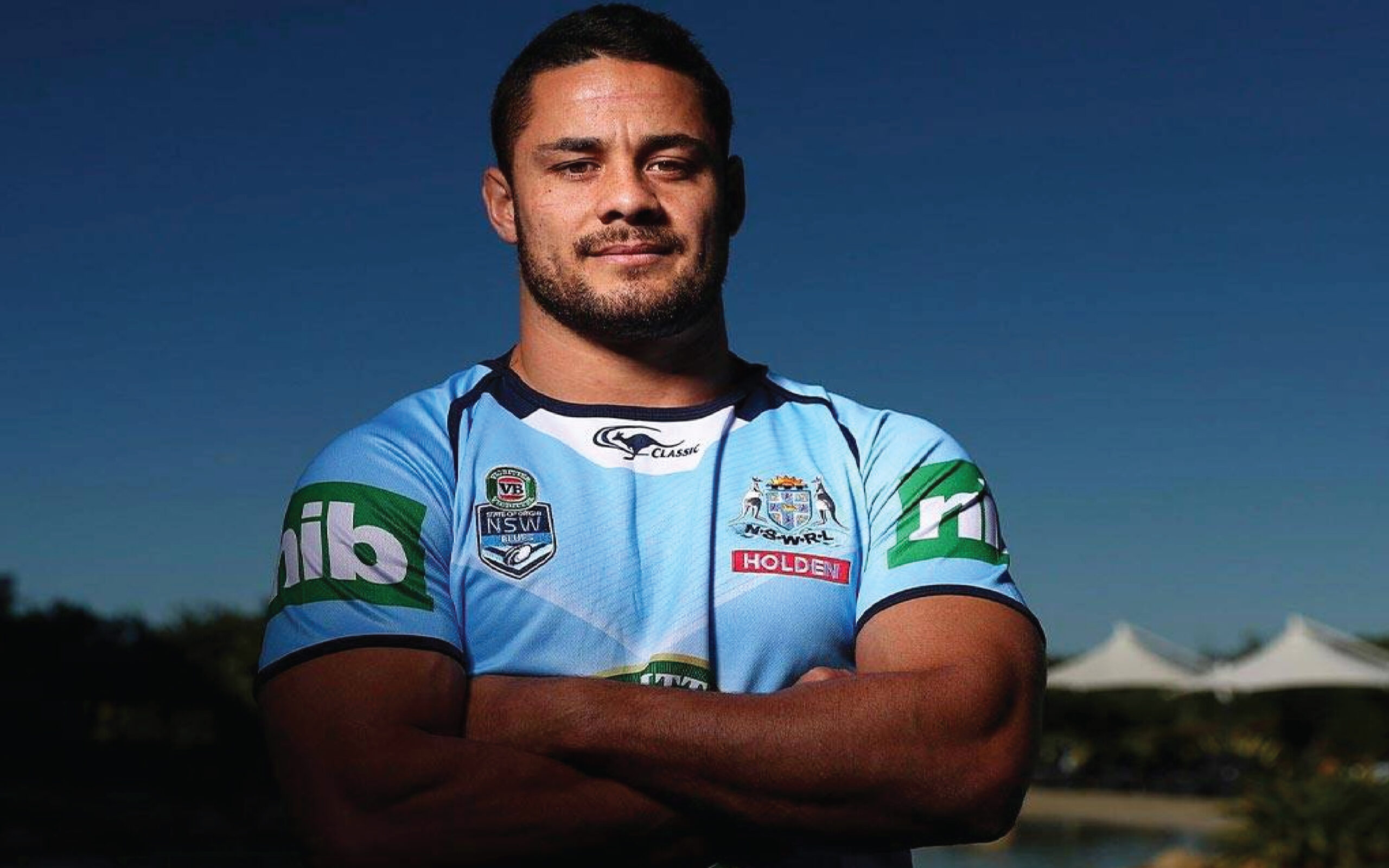
“I always knew and felt the passion the people of Papua New Guinea have for rugby league,” Jarryd Hayne told Exepreneur. “But spending two weeks in Port Moresby truly opened my eyes to just how deep that love runs.”
Hayne spent a fortnight in the capital, and the timing puts him in the country at the point where its national sport stops being only a national sport and becomes an industry. Papua New Guinea will field a team in Australia’s National Rugby League from 2028. Prime Minister James Marape announced the franchise name on 12 October 2025, before the Prime Minister’s XIII match at the Santos National Football Stadium, according to Love Rugby League, which reported the naming competition drew more than 20,000 public submissions. The team will be called the PNG Chiefs.
The franchise is backed by an A$600 million funding package and that the NRL’s interest rests on access to a supporter base of more than 10 million people alongside an established pool of players.
What two weeks in Port Moresby showed him
Hayne’s account of the visit is about reach rather than crowds.
“I had the chance to rub shoulders with everyone, from politicians and business entrepreneurs to everyday locals, and one thing was clear: rugby league unites them all,” he told Exepreneur. “It’s more than just a sport in Papua New Guinea, it’s the heartbeat of the nation, a powerful force that brings people together across all walks of life.“
The claim about unity is one the Prime Minister has made himself, in almost the same terms. Marape explained the choice of the Chiefs name over the shortlisted alternative in those terms. Papua New Guinea is a sovereign nation of many tribes, with over 850 languages and 1000 tribes, he said, and the intention of the team is to hold a diverse nation together, per Love Rugby League’s report of the announcement.
A team designed as national infrastructure rather than a city franchise is an unusual proposition in professional sport. It is also the reason the Chiefs carry political weight that a Sydney or Brisbane club does not.
The regional case
Hayne’s second argument is about the competition itself.
“The Pacific region is witnessing exciting times for rugby league,” he told Exepreneur, pointing to the Pacific Championships. “More games between Pacific nations mean more competition and stronger, more elevated rugby league across our region. It’s crucial we build on this momentum and continue supporting the game locally, especially in Fiji, where passion and talent abound.”
Hayne has played both sides of that regional equation. He represented Australia at the 2013 Rugby League World Cup, scoring 11 tries in 11 appearances for the Kangaroos according to Reuters, and he represented Fiji at the 2008 and 2017 tournaments.
This will not be the country’s first side in the Australian system. Love Rugby League noted in its report on the naming that the franchise builds on the PNG Hunters, who have competed in the Queensland second-tier competition. The Chiefs enter as the 19th NRL franchise, arriving after the Perth Bears become the 18th in 2027.
The tourism argument, and its limits
Hayne fished, visited villages outside the capital, and ate local food, including raw king kina, on his account of the trip.
“Tourism is a big winner here with the PNG Chiefs and rugby league events,” he told Exepreneur. “The whole experience reminded me so much of home in Fiji. PNG has incredible potential to grow its tourism sector, especially leveraging the exposure and opportunities that come through rugby league.”
The exposure he describes is not yet running. The Chiefs do not play a competition match until 2028 with Willie Peters as coach and Lorna McPherson as chief executive. A seven-person board chaired by former Canterbury-Bankstown chairman Ray Dib, including Melbourne Storm’s Marcus Bai, was unveiled in June 2025.
Whether that converts into visitor numbers is a question of aviation capacity, accommodation stock, and security perception, none of which a franchise announcement changes on its own.
The record
Hayne, born in Sydney in 1988 to a Fijian father, debuted for the Parramatta Eels in 2006 and won the Dally M Rookie of the Year in his first season. He won the Dally M Medal, the code’s highest individual honour, in 2009 and 2014, and played nearly 200 NRL games for Parramatta, according to Reuters. He played 23 matches for New South Wales in State of Origin.
In 2015 he left rugby league for the National Football League, signing with the San Francisco 49ers as a running back and kick returner. Reuters reported he made three fumbles in four games before being waived. He retired from the NFL in 2016 during an unsuccessful attempt to join Fiji’s Olympic rugby sevens squad, as CBS reported at the time. He returned to rugby league with the Gold Coast Titans and then Parramatta, finishing his playing career in 2018.
Hayne’s post-playing years were dominated by a criminal case arising from an allegation made about the night of the 2018 NRL grand final. His first trial ended in a hung jury in 2020. He was convicted at a second trial in 2021 and sentenced to five years nine months, a conviction the NSW Court of Criminal Appeal overturned in 2022. He was convicted again in April 2023 and sentenced to a maximum of four years nine months, as the BBC reported.
In June 2024 the NSW Court of Criminal Appeal quashed those convictions. The basis was that the trial judge erred in not allowing the complainant to be further cross-examined. Hayne was released on bail after more than a year in custody, according to ESPN. The NSW Office of the Director of Public Prosecutions announced on 25 June 2024 that it had determined not to proceed to a fourth trial, having considered the competing factors informing the public interest. Its reasons, it said, were legally privileged. Hayne has maintained throughout that the acts were consensual.
He stands today with no conviction and no charge against him.
Why he is in Port Moresby now
Papua New Guinea is two years out from putting a team into the world’s premier rugby league competition. It is funded at A$600 million, based in Port Moresby, and expected by its own Prime Minister to hold a nation of 1000 tribes together.
Every visiting name that lands in Port Moresby between now and 2028 is part of building that audience. Hayne, who has represented both Australia and Fiji and who spent a decade as one of the most recognisable players in the game, is a useful name for that purpose. He is also a name that arrives with its own history.
“It’s more than just a sport in Papua New Guinea,” Hayne told Exepreneur. “It’s the heartbeat of the nation.”