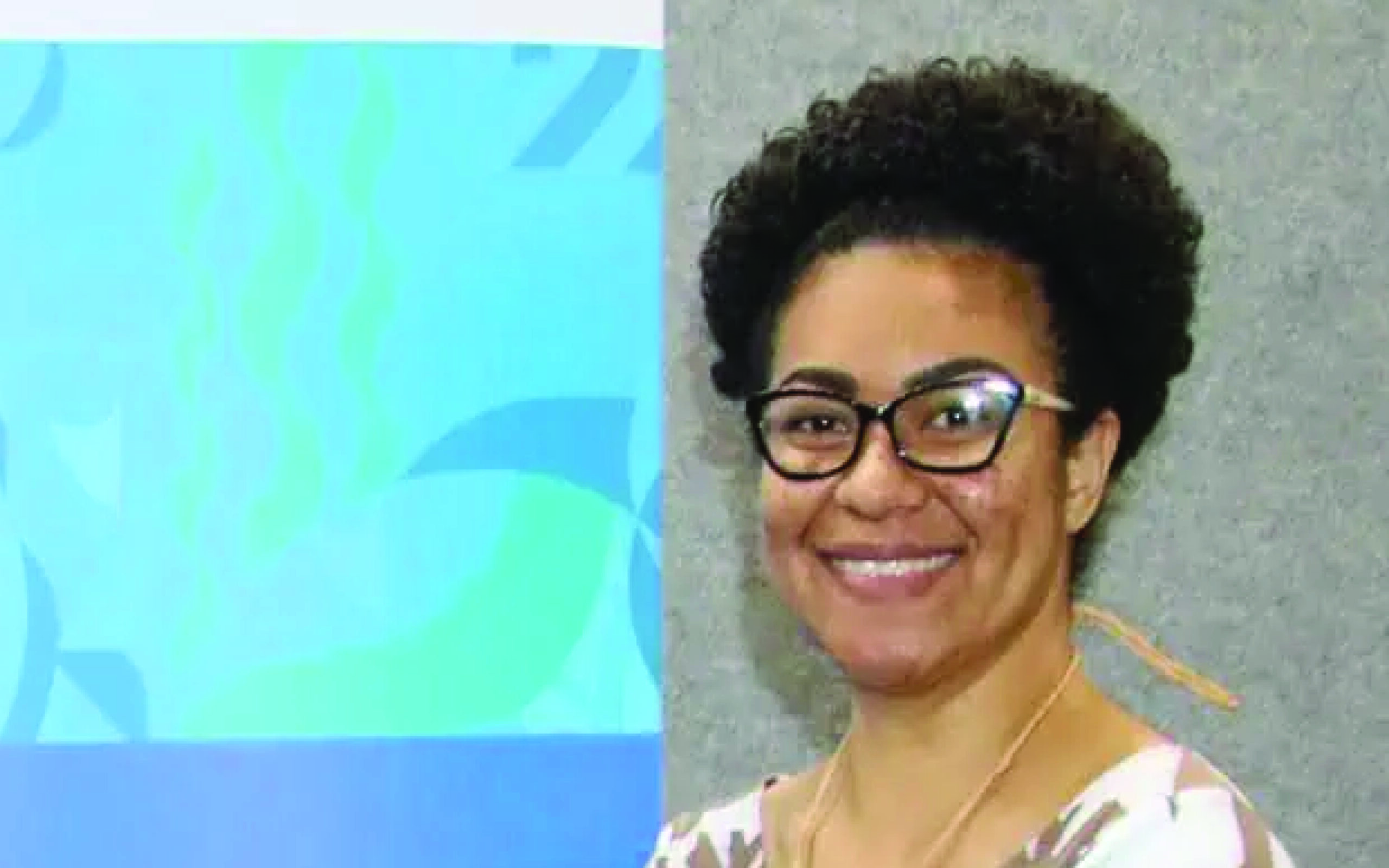
Raijeli Natadra didn’t expect resistance when she entered fisheries as a young graduate. She got it anyway. “I faced some resistance, especially since I was new and came in with possibly less experience and knowledge,” she told the Pacific Way Podcast. What struck her wasn’t the skepticism—it was how personal it felt.
The fisheries sector across the Pacific runs on unwritten rules. Men lead. Women contribute behind the scenes, if they’re allowed in at all. Natadra, now a senior figure in Fiji’s fisheries establishment, spent her early career hitting the wall of that assumption.
She remembers older colleagues dismissing her. “I have experienced different attitudes from people who have been working in the sector longer than I have,” she recalled. They said she was too young to handle technical work. They discouraged her from speaking in meetings. “It was not a welcoming environment,” she said.
Most people quit at that point. Natadra climbed higher. What got her through, she said, was finding “something from within to drive us to keep on going. We have to be overly ambitious to reach our current position.”
That ambition has purpose now. Natadra doesn’t want the next generation of women to absorb the same punishment she did. “I want to ensure they don’t go through what I experienced,” she said. Her conviction has shifted from surviving the system to dismantling it.
The path to change, she believes, starts at home. Not in legislation or corporate initiatives—though those matter. At home. “Simple tasks like washing dishes should be shared among all, regardless of gender, to instil these values at home. It’s everyone’s responsibility because from a young age, he will be growing up and she will be growing up with that mindset, you know, to respect women and to see things a bit differently.”
She’s seen how culture runs deeper than policy. Unconscious bias doesn’t hide in memos or meetings. It lives in what a parent allows a son to avoid, what a daughter is told she can’t do. “There’s a lot we can do,” Natadra said, “but for me, this is the stage where we teach our youths.”
Natadra’s argument to other leaders in her sector is blunt: don’t repeat what was done to us. “Let’s not repeat the same cycle for the others who are coming up, thinking that it is normal. No, it is not normal.” She calls this the only path forward. “Let’s drive change from the top, and it’ll trickle down. It’ll affect all aspects of an organisation, and it will trickle down to society as well.”
The maritime sector needs that trickle-down badly. Women make up less than 5% of senior fisheries roles across the Pacific, according to regional labor data. Natadra isn’t unique because she succeeded—she’s notable because she’s now insisting others do, too.





