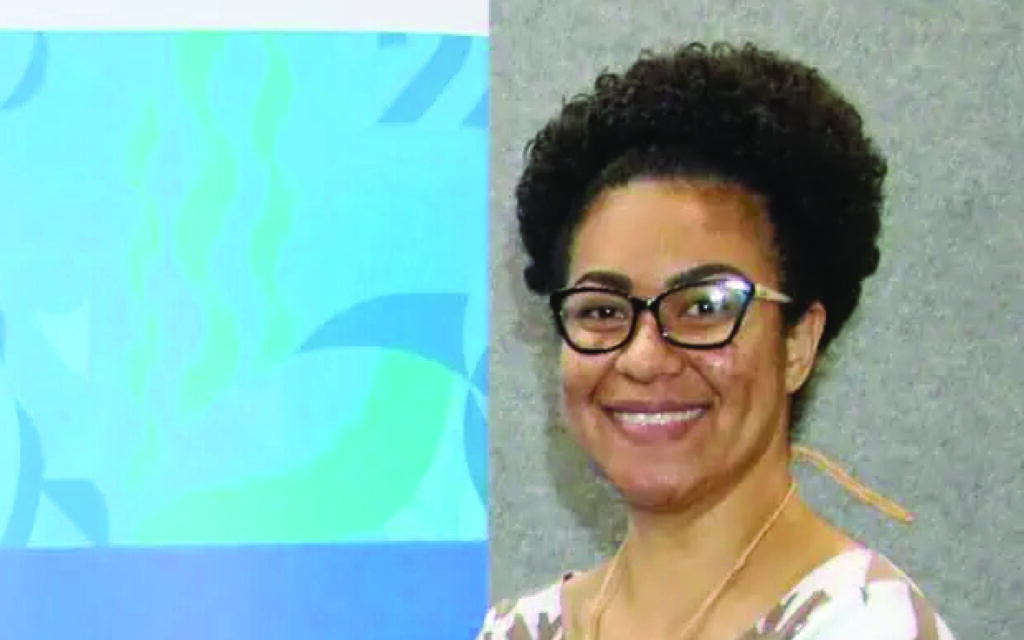
For decades, women working in the maritime and fisheries sectors across the Pacific have faced deep-seated barriers rooted in tradition and gender bias, often silencing their voices and limiting their opportunities. Despite their crucial contributions, women in these industries have struggled against a culture that favors men—an issue many hesitate to discuss openly. Raijeli Natadra, a fisheries expert from Fiji, is one of the few leaders speaking out on these challenges, sharing her personal journey and insights on the Pacific Way Podcast.
Natadra’s story begins with the harsh reality that women in fisheries are often seen as outsiders. When she started as a young graduate entering the male-dominated workforce, she experienced clear resistance. “I recall when I started as a young graduate entering the workforce; I faced some resistance, especially since I was new and came in with possibly less experience and knowledge,” she told the podcast. It was a common experience for women stepping into a sector where traditional expectations dictated a man’s place as the expert and woman’s role was limited or invisible.
For Natadra, this bias was not just about a lack of experience—it was about culture. “I have experienced different attitudes from people who have been working in the sector longer than I have,” she said. Older colleagues often doubted her abilities simply because she was young and female. She recalls being told she was “too young” to be trusted with technical work and being discouraged from speaking out in meetings. These exclusionary behaviours sent a clear message: women’s contributions were not valued equally.
Looking back, Natadra says it was “not a welcoming environment,” especially coming from backgrounds where these norms were deeply embedded. Yet she values those early struggles, believing they shaped her resilience and determination. “Yet, I appreciate having gone through those experiences,” she reflected. It was through navigating and overcoming these barriers that she found a desire to create change for the next generation.
Now established in a leadership role, Natadra has made it a personal mission to ensure young women entering fisheries don’t face the same discouragement. “I want to ensure they don’t go through what I experienced,” she said. She views this as a responsibility not just for herself but for everyone tasked with shaping the future of the sector.
At the heart of the issue is not only workplace culture but also unconscious bias—a topic rarely discussed but deeply personal for many women. Natadra emphasizes that sexism is often subtle or unspoken, embedded in traditional roles and expectations within families and communities. That’s why she believes change must start early.
“There’s a lot we can do,” she says, “but for me, you know, you mentioned children; this is the stage where we teach our youths, not just the youths of tomorrow, they are youth now.” Natadra stresses the importance of teaching gender equality at home, where children learn values that can either reinforce or challenge outdated stereotypes. Simple acts, like sharing household chores, send powerful messages. “Simple tasks like washing dishes should be shared among all, regardless of gender, to instil these values at home,” she explains. “It’s not just for mum or your sister. It’s everyone’s responsibility because, from a young age, he will be growing up and she will be growing up with that mindset, you know, to respect women and to see things a bit differently.”
Her words highlight a broader societal challenge: shifting mindsets ingrained over generations. It requires not just personal change but systemic reform within organizations and leadership. Natadra makes clear that policies around gender equity must evolve, but policy changes on paper are not enough without commitment from those in power.
She calls on leaders in fisheries and government to take responsibility for driving meaningful change. “I urge those in leadership to consider our young people rising up, most of us at the leadership level. We went through that experience ourselves. It was not an easy journey. We had to push ourselves,” she reminded listeners. For women like her, reaching senior positions meant an extraordinary effort to overcome invisible barriers. “We had to find something from within to drive us to keep on going. We have to be overly ambitious to reach our current position.”
Natadra warns that accepting the status quo or dismissing inequality as normal only repeats a damaging cycle. “Let’s not repeat the same cycle for the others who are coming up to you, to go through the same thing that we went through, thinking that it is normal. No, it is not normal.” Instead, leaders must lead by example and intentionally create inclusive cultures. “Let’s drive change from the top, and it’ll trickle down. It’ll affect all aspects of an organisation, and it will trickle down to society as well,” she said.
Her message is clear: meaningful progress requires courageous leadership willing to challenge tradition and entrenched bias. Only then can the maritime sector fully embrace the talents and perspectives of women, helping transform not just workplaces but communities across the Pacific.
Raijeli Natadra’s story is a call to action—one grounded in real experience and hope for a future where gender no longer limits opportunity. By confronting the unconscious biases and cultural norms that silence women, the sector can move towards true gender equity that benefits families, industries, and societies alike. The journey remains difficult, but as Natadra’s perseverance shows, change is possible when voices rise and leadership listens.
Related posts:
- DEFENDING DEMOCRACY AND SHAPING PAPUA NEW GUINEA’S LEGAL FUTURE Hubert Namani Discusses Electoral Integrity, Legal Reform, and Democratic Resilience in PNG
- Think Like a CFO: Insights from Daniel Leki for Leaders Seeking Lasting Business Success
- Simon Gorman: Connecting Business to Build Pacific Infrastructure and Growth
- 5G is Coming to Papua New Guinea: How DataCo is Powering the Future