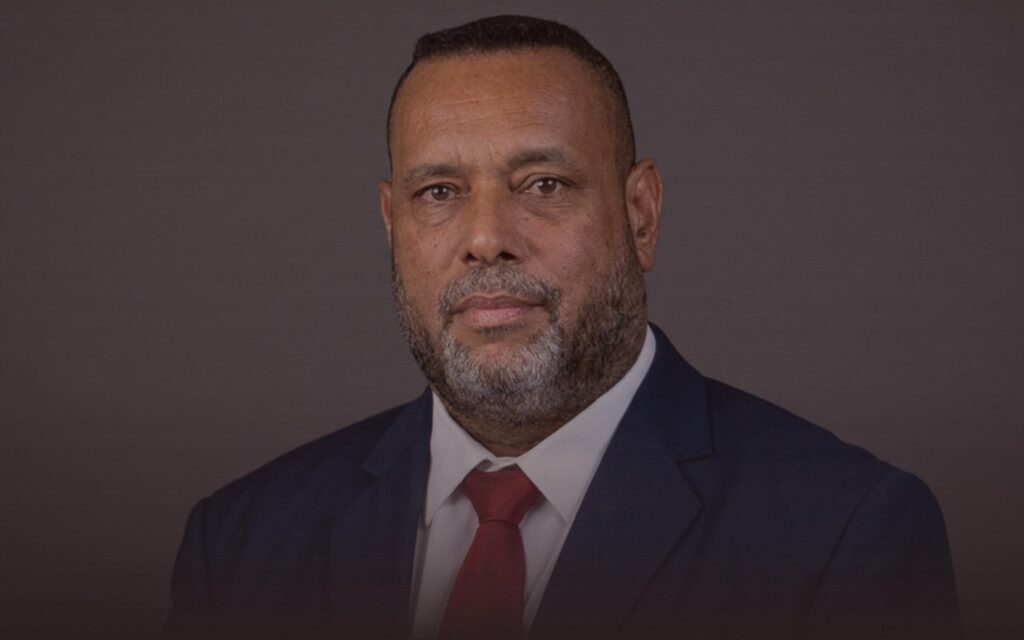
Allan Bird, Governor for East Sepik Province, has a warning for Papua New Guinea, the war between the United States, Israel, and Iran will affect everyone here, not just through fuel prices but also food like rice and flour. He says we need to act now before this crisis hits our everyday lives.
The conflict, which escalated in March 2026, has already caused huge problems for energy markets. The Strait of Hormuz, where about 20 percent of the world’s oil and liquefied natural gas (LNG) passes, has become a conflict zone. Iran has threatened to block it, and there have been attacks on gas and water facilities in the region. Because of this, oil prices have jumped above $110 per barrel.
But Bird points out that the problem doesn’t stop at fuel. Fertilizers, especially urea, are in trouble. Urea is what farmers use to grow rice and wheat because it gives crops the nitrogen they need. Most urea comes from natural gas. When gas plants are attacked or blocked, urea prices go up. Almost half of the world’s urea supply has been affected, with prices jumping 79 percent compared to last year.
Higher fertilizer prices mean farmers pay more to grow food, and that cost ends up on the shelves. Rice and wheat, which PNG imports a lot of, will become more expensive. That’s why Bird says this war will affect everyone in PNG, even if it is happening thousands of kilometers away.
Bird’s solution is practical: use what we have in PNG. He points to sago, which grows all over the country. PNG has about 11 million sago trees. Sago can be turned into flour and used instead of imported wheat for bread, noodles, biscuits, and cakes. This would make food cheaper and reduce our dependence on global markets.
He said, “Whether you support the US and Israel or support Iran, it doesn’t matter. Everyone will feel the cost of this war through food, fuel, and transport costs. PNG must start processing sago for starch to substitute wheat flour. This is the best way to bring food costs down.”
The reason this matters is simple. Making urea fertilizer needs a lot of natural gas. When gas is blocked or prices rise, urea gets expensive. Farmers have to pay more to grow rice and wheat.
Middle Eastern countries are big producers of cheap gas and urea. So when their energy plants are attacked, it doesn’t just affect their countries. It affects the whole world, including PNG.
For people in PNG, this could mean higher fuel prices, higher transport costs, and more expensive food. Families will feel it in their daily budgets.
Bird’s advice is straightforward: use PNG’S local resources. Processing sago flour can reduce yhe country’s reliance on imported wheat, protect families from price shocks, and create jobs in rural communities. It also strengthens food security and keeps money in the local economy.
This is more than a warning. It’s a call to action. The war in the Middle East is making fuel and fertilizer more expensive. PNG can not afford to just watch. Using sago and other local crops is a way to protect the economy and people’s livelihoods.
Bird’s message is clear, security isn’t just about the military. It’s about food, fuel, and the ability to survive global shocks. PNG needs to act now before it’s too late.