Papua New Guinea (PNG) possesses vast natural resources but remains one of the least developed nations in the Asia Pacific. Despite its wealth in minerals, oil, and gas, the country struggles with low social and economic indicators. Infrastructure gaps, regulatory complexities, and environmental concerns have limited the full economic potential of its resource sectors.
Resource Potential and Development Challenges
PNG’s natural resource base includes large deposits of oil, gas, gold, copper, silver, and nickel. According to the PNG Chamber of Commerce, these resources remain largely untapped, with key infrastructure such as refined petroleum pipelines still underdeveloped. Petroleum products often rely on road tanker transport, a method both inefficient and costly, increasing operational barriers for the energy sector.
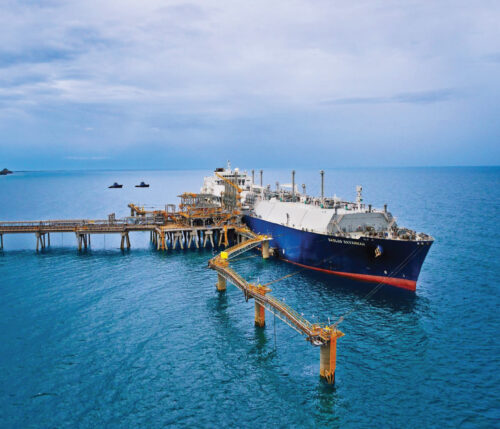
Economic growth, projected to reach 4.7% in 2025 driven by resource and non-resource sectors alike, reflects emerging activity around strategic projects. For example, the Papua LNG project at the Elk-Antelope gas field, a joint venture involving ExxonMobil, JX Nippon, Santos, and TotalEnergies, aims for an annual capacity of 4 to 6 million tonnes and is expected to begin operations by 2028. This project represents a critical milestone for PNG’s energy landscape and is complemented by the P’nyang project in Western Province, led by Ampolex, Oil Search, and Merlin Petroleum, targeting production commencement around 2032.
PNG’s mining sector is a vital economic pillar. Gold mining alone contributes over 15% to the GDP and supports more than 30,000 direct jobs according to recent industry reports. The Wafi-Golpu gold-copper project, a joint venture between Newcrest Mining and Harmony Gold, is poised to become one of the world’s largest underground mines. Once operational, it is expected to produce 320,000 ounces of gold and 150,000 tonnes of copper annually. Similarly, the Frieda River Copper-Gold Project operated by PanAust offers significant long-term potential with a 33-year planned mine life, carrying possibilities for extension.
Economic Opportunities and Sectoral Impact
Completion of these oil, gas, and mining projects promises substantial fiscal revenue for the government. These funds can support expanded public services in education and healthcare, improving social outcomes. The projects will also generate employment, elevating household incomes and reducing poverty. Furthermore, mining and energy development will stimulate investments in ancillary industries and infrastructure, facilitating broader economic diversification.
The government’s agenda now includes accelerating electricity access with the aim of providing 70% of PNG’s population with power by 2030, prioritizing renewable energy sources. The Ramu 2 Hydroelectric Power Project under development exemplifies this green transition. Expanding renewable energy will reduce dependence on costly fuel imports and contribute to sustainable economic growth, while creating new jobs in the clean energy sector.
Infrastructure and Environmental Considerations
Efficient infrastructure remains essential to realize resource sector benefits. Improved roads, ports, airports, power generation, and telecommunication networks are needed to support mining and energy operations and ensure smooth logistics and data communications. Integrated services including freight forwarding and supply chain optimization will reduce operational costs and enhance project viability.
However, environmental impacts pose significant risks. Infrastructure development often threatens PNG’s rich biodiversity through deforestation and habitat disruption. Mining runoff containing heavy metals and toxic substances can harm water bodies and aquatic ecosystems. The Frieda River project, for example, raises concerns about the ecological and cultural sensitivities in the Sepik River Basin, an internationally recognized biodiversity hotspot.
Toward Sustainable Resource Development
To address these challenges, robust environmental impact assessments and continuous monitoring are imperative. The PNG government, along with developers, is encouraged to enforce stringent regulations and invest in advanced, cleaner extraction technologies. Transparent community engagement and benefit-sharing with landowners reduce social conflicts and support sustainable development goals.
Projects aligned with these best practices can ensure that PNG’s natural resource wealth translates into long-term economic prosperity while safeguarding the environment and supporting local communities.