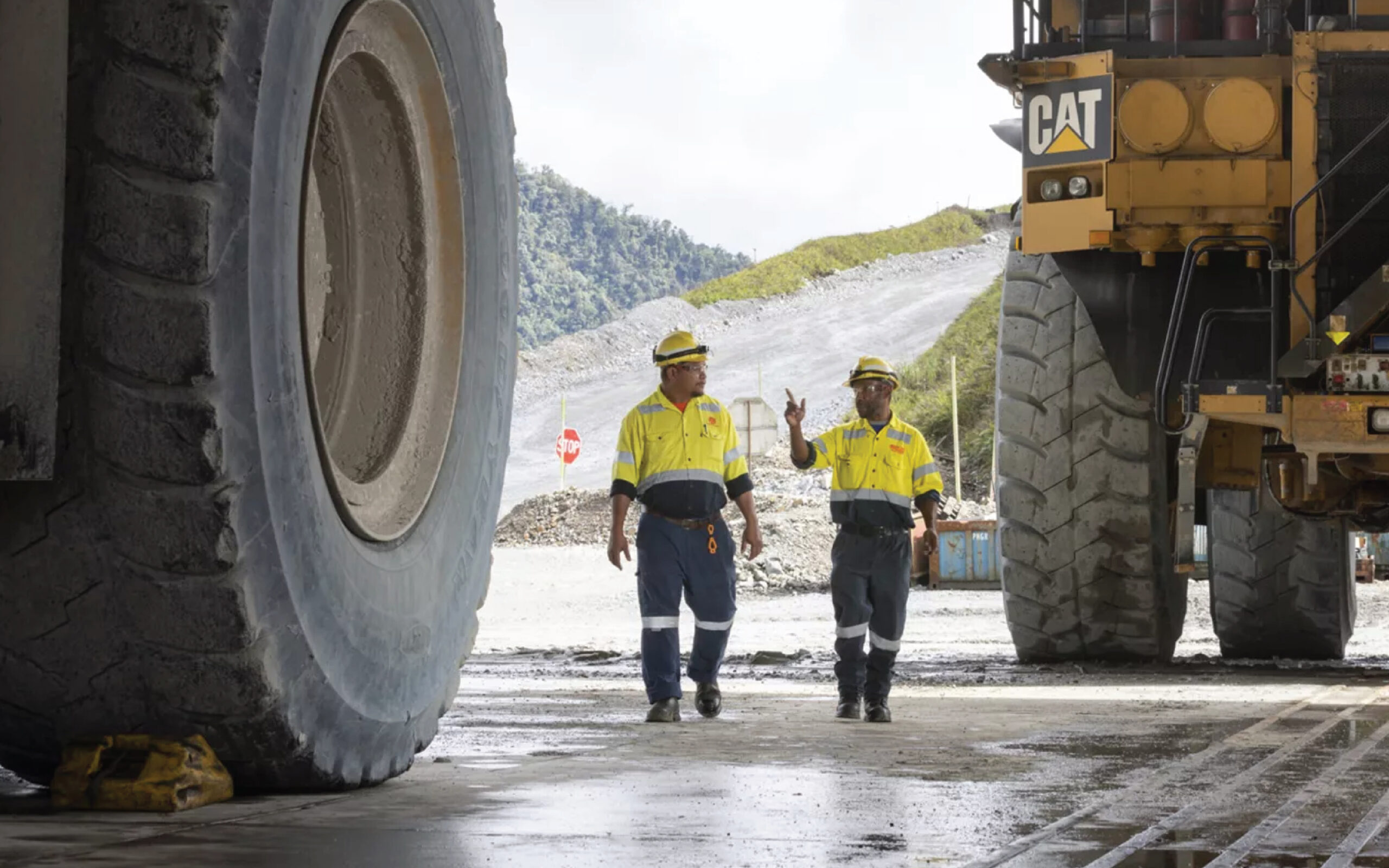
Papua New Guinea mining 2025 continues to be a vital driver of the national economy. According to Farmonaut’s 2025 report, PNG is expected to increase gold production by 8% compared to 2023. Furthermore, output of battery metals like nickel and cobalt is projected to grow by 12%, fueled by rising global demand for electric vehicles and renewable energy technologies.
This growth comes amid rising expectations for economic diversification and sustainable development, making mining a strategic concern for business and government leaders in PNG, the Pacific islands, and the Asia Pacific region.
Economic Role of Mining in PNG
The PNG Chamber of Commerce states that mining contributes approximately 26% of PNG’s GDP and represents over 80% of export revenues, with exports centered on gold, copper, and battery metals.
Key mining projects such as Ok Tedi, Porgera, and Ramu Nickel-Cobalt support around 17,000 direct jobs and countless more in services and supply chains. Mining revenues also fund critical infrastructure developments like roads, healthcare, and education facilities in resource-rich provinces according to Mineral Resources Authority.
Additionally, the Asian Development Bank points to mining revenue’s role in advancing social programs and rural development, underlining mining’s broader importance in Papua New Guinea’s socioeconomic framework.
Environmental and Social Governance Challenges
The Mineral Resources Authority of Papua New Guinea stresses that mining companies must adhere to strict environmental regulations to address risks such as tailings management, soil erosion, water pollution, and habitat protection.
Socially, the Extractive Industries Transparency Initiative (EITI) highlights that equitable landowner agreements and community engagement are crucial to maintaining social license and avoiding conflicts, especially given PNG’s complex customary land tenure systems.
Innovation Driving Sustainable Mining
Farmonaut’s satellite monitoring and AI advisory platforms demonstrate how digital technologies enhance environmental compliance and operational efficiency in PNG mining. Their blockchain traceability also helps certify sustainably sourced minerals, meeting growing global ESG requirements.
Such innovations position PNG’s industry to meet international market expectations while minimizing environmental impacts and improving transparency.
Regional Context and Strategic Outlook
PNG’s resource developments influence broader Pacific economies, including Fiji and smaller island nations. The PNG Chamber of Resources and Energy (PNG CORE) emphasizes collaboration across governments and industries in the region to foster sustainable growth aligned with climate and social commitments.
Leaders are advised to adopt evidence-based policies that regulate, innovate, and engage communities, creating responsible mining frameworks across the Asia Pacific to maximize mutual benefits.
Policy Recommendations
-
Strengthen environmental oversight and monitoring standards.
-
Support digital technology transfer and capacity building.
-
Enforce transparent, fair benefit-sharing and landowner partnerships.
-
Invest in domestic mineral processing and value addition.
-
Align mining strategies with global critical mineral demands.
Mining remains a cornerstone of Papua New Guinea’s economy and a key regional player in the Asia Pacific. According to leading reports, future success depends on integrating sustainability, innovation, and social equity to ensure lasting benefits for the environment and communities.
For business and government leaders, the imperative is clear: balance economic growth with responsible practices to secure PNG’s position in international resource markets while fostering inclusive prosperity.